
UPS for Restaurants & Retail POS Systems
Most restaurants and retailers still run traditional UPS that need replacement every three to four years, long before the POS, networking, and digital equipment they protect reaches end of life. Those cycles add operating cost, service disruption, and landfill waste across distributed locations. Long-life lithium aligns power protection with the actual lifespan of store technology.
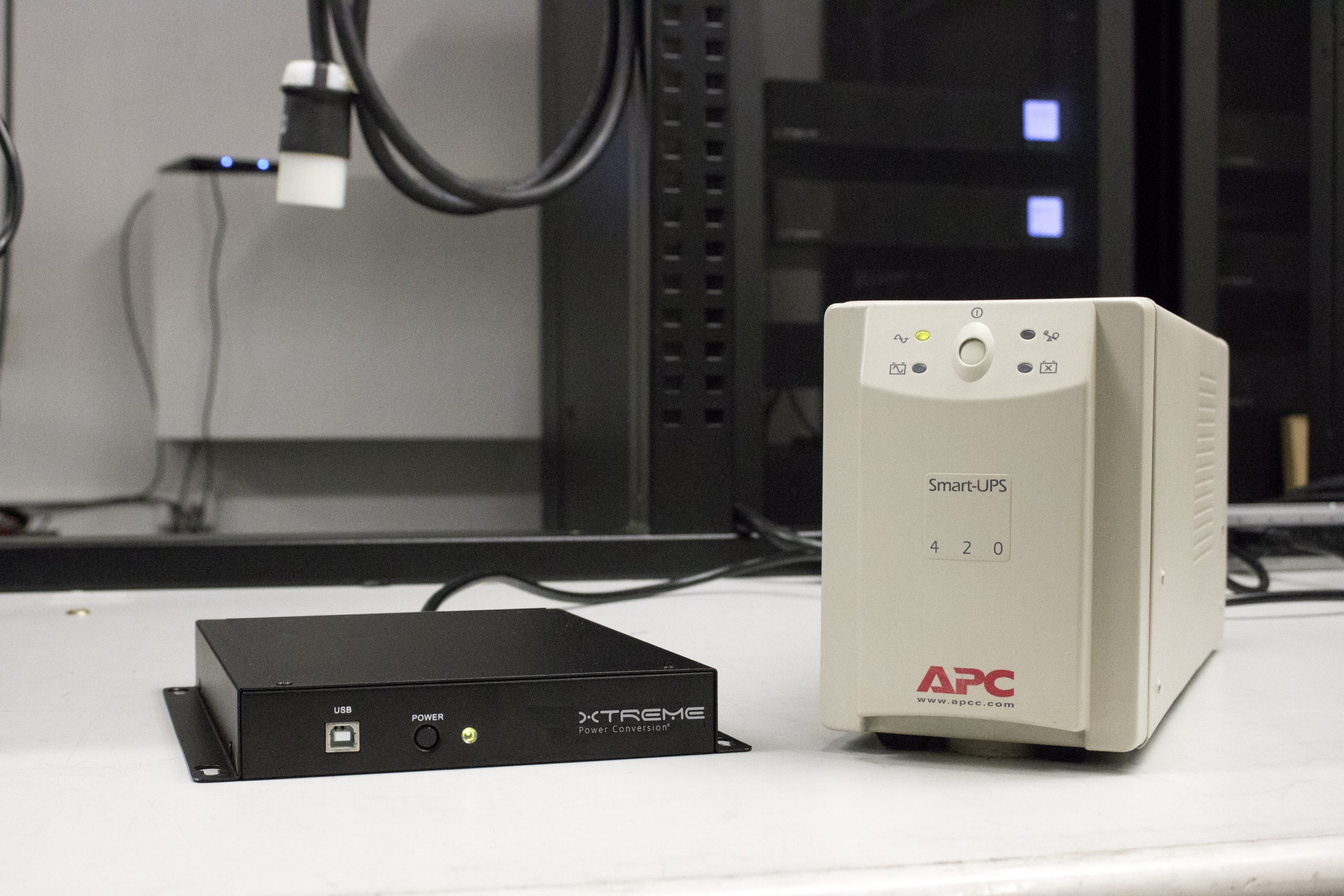
Why long-life lithium is becoming the standard
Lithium delivers up to 15 years of life and 3,000 to 5,000 discharges, removing the recurring UPS replacement projects that lead acid forces.
Fewer installs, fewer truck rolls, and fewer disposal events cut total cost across hundreds or thousands of locations.
Protection lasts as long as POS terminals, kiosks, menu boards, and networking, so there are no mid-cycle UPS failures.
Compact, lightweight designs support wall, under-counter, and short-depth rack installs. See short-depth rackmount options.
Lithium tolerates higher temperatures than lead acid, reducing failures in kitchens, back rooms, and drive-thru enclosures.
One lithium standard spans new builds and refresh cycles, so every location runs the same proven protection.
Lithium vs lead acid across a store fleet
| Factor | Traditional lead acid (VRLA) | Xtreme Power lithium |
|---|---|---|
| Typical service life | 3 to 4 years | Up to 15 years |
| Battery replacements | Required | None |
| Weight and footprint | Large and heavy | Smaller and lighter |
| Temperature tolerance | Limited | Built for elevated temperatures |
| Maintenance | Ongoing | Minimal |
| Disposal events | Frequent | Significantly reduced |
| Long-term cost | Unpredictable | Lower and predictable |
For the full chemistry and lifecycle detail, see the lithium vs lead acid comparison.
A smarter UPS approach for multi-site operators
Instead of treating UPS as short-life accessories, a long-life lithium standard lets operators take replacement off the support calendar entirely.
One lithium standard across new store builds and refresh cycles.
Take UPS battery replacement off the support calendar.
Less shipping, installation, and disposal across the fleet.
Better protection without adding operational burden.
How leading operators transition to long-life lithium
Target the highest failure points
- Back-office racks, POS cabinets, kiosks, and outdoor enclosures
- Heat-exposed or limited-airflow locations
- Stores with recurring UPS or battery replacement tickets
Lock in a long-life lithium standard
- Up to 15-year operating life
- Compact form factors for constrained retail spaces
- Runtime matched to POS systems and network equipment
Align with new builds and remodels
- Include lithium UPS in store fixture and equipment standards
- Deploy during scheduled rollouts
- Avoid one-off UPS replacement projects
Reduce waste and track improvement
- Fewer units shipped and installed
- Lower lifecycle disposal volume
- Centralized purchasing keeps the fleet consistent
Enable remote recovery where needed
The J90 provides remote outlet control to reboot locked devices, reducing dispatches for frozen POS systems and gateways. Explore remote switching UPS and smart PDU.
Why teams standardize on the J90 for back-office racks
The J90 lithium family is commonly chosen as the back-office standard for racks, kiosks, and shared retail equipment.
It combines long-life lithium protection with remote outlet control, so IT teams can reboot frozen POS and network devices without a site visit. Long-runtime variants such as the J90-2kLiD and J90-3kLiD extend backup where additional time is required.

For model-by-environment selection across the whole store, front-of-store, kitchen, IDF, and back-office, see the retail and edge selection guide.
Lithium UPS for restaurants and retail
How often do lithium UPS systems need replacement?
Will lithium UPS reduce retail IT support workload?
Do lithium batteries need replacement during the system lifespan?
Can remote reboot reduce service calls?
Related guides and solutions
Standardize power protection across every store
Tell us your store environments and rollout schedule, and we will recommend a long-life lithium standard that fits new builds and refreshes.