
Single-phase UPS
 J60Compact lithium, 120V, 350-600 VAView J60 →
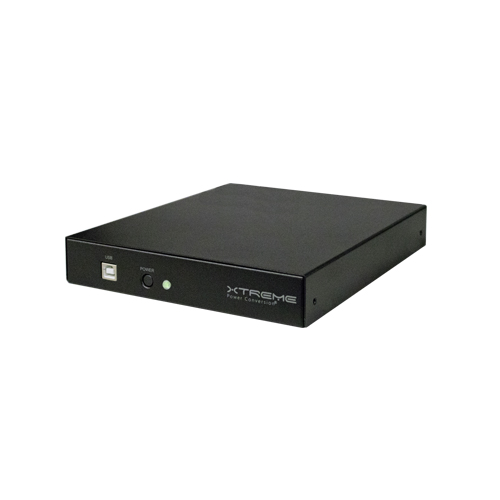 J60iCompact lithium, 230V, 350-600 VAView J60i →
 J60C1U short-depth lithium, 600 VAView J60C →
 J901U online lithium, 120V, 1-3 kVAView J90 →J90i1U online lithium, 208/230V, 1-3 kVAView J90i →
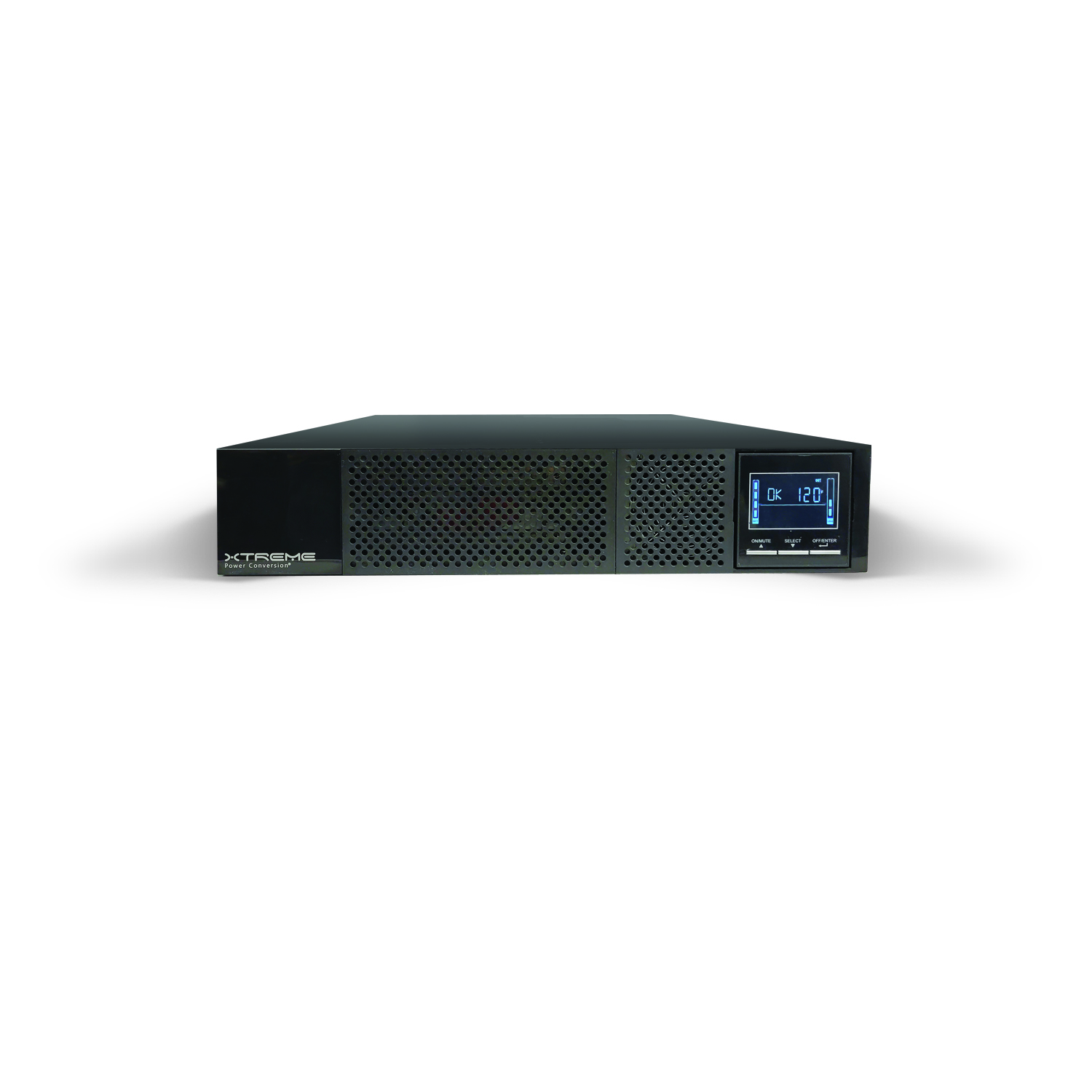 P91 LiOnline lithium rack/tower, 120V, 1.5-3 kVAView P91 Li →
 P91g LiOnline lithium rack/tower, 208/230V, 1.5-3 kVAView P91g Li →
Single-phase UPS
Single-phase UPS for desks, closets, racks and equipment cabinets, at 120V and 208/230V. Lithium models last longer and handle heat; standby and line-interactive models cover everyday loads at a lower price. For online double-conversion lead-acid and modular systems, see the online UPS page.
Lithium
LiFePO₄ batteries rated up to 15 years and 50 °C, in compact, 1U and rack/tower forms.
Standby and line-interactive
Cost-effective protection for desktops, point-of-sale and small network gear, with lead-acid batteries.

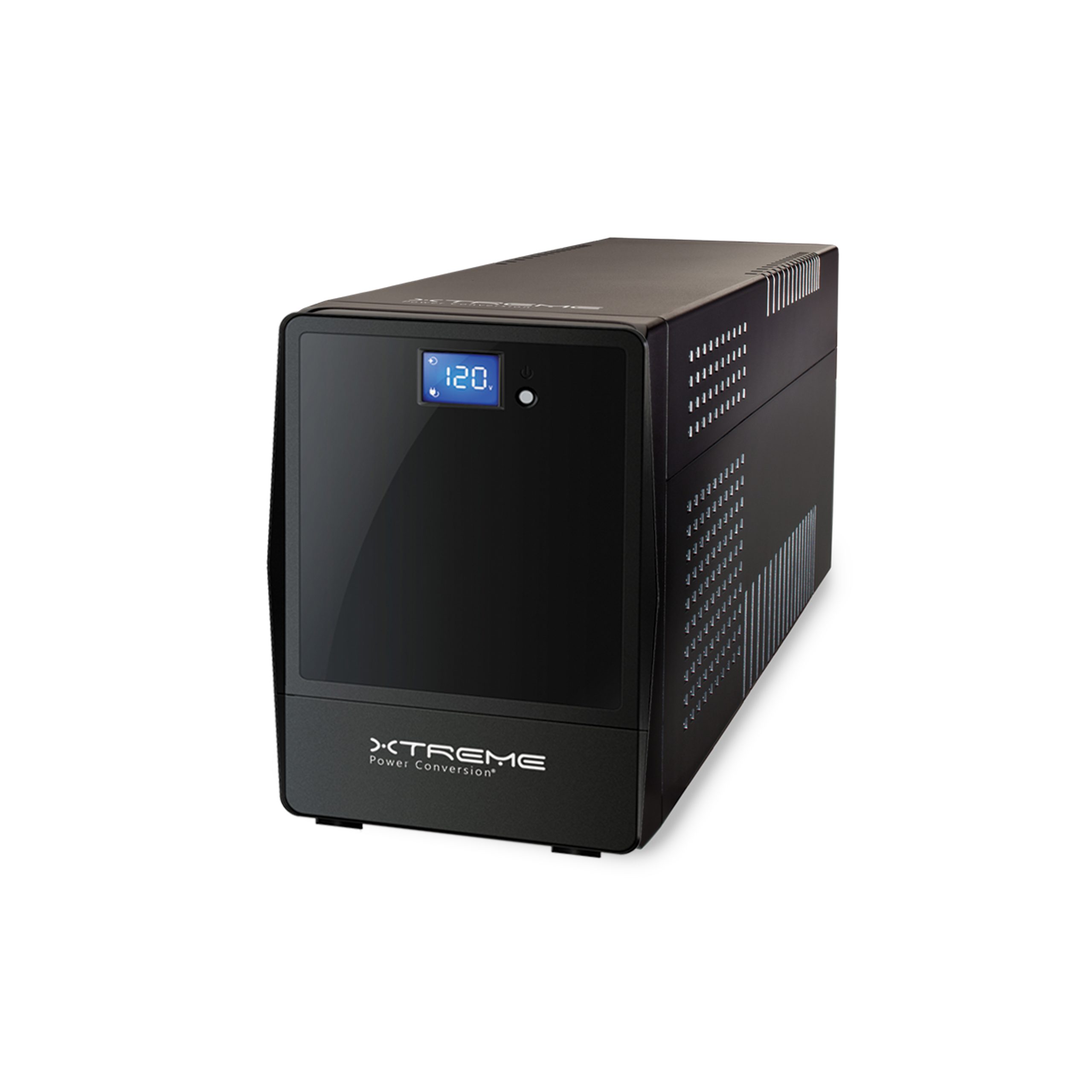


Need online double-conversion with lead-acid batteries, an isolation transformer or modular N+1? See single-phase online UPS →
How to choose
| If you need | Start with |
|---|---|
| Backup behind a POS terminal, kiosk or ONT, or on a wall or DIN rail | J60 (350-600 VA) |
| A 1U unit in a shallow network rack | J60C or J90 |
| Online protection for switches, firewalls and servers, with long battery life | J90 or P91 Li |
| Basic protection for desktop PCs and office equipment | A60 or S71 |
| 120V line-interactive in a rack, tower or on a wall | V70 or P80 |
| 208/230V loads | J90i, P91g Li, P80g or A70i |
Frequently asked questions
What is the difference between standby, line-interactive and online UPS?
A standby UPS passes utility power straight through and switches to battery when it fails. Line-interactive adds voltage regulation, so it corrects sags and surges without using the battery. Online double-conversion regenerates the output continuously, so there is no transfer time at all. The more sensitive or critical the load, the further along that list you should go.
Why choose a lithium UPS?
LiFePO4 batteries are rated for up to 15 years, against 3 to 5 for lead acid, and operate to 50 °C. They are smaller and lighter, and over the life of the UPS they usually cost less because you avoid one or two battery replacements.
How do I size a single-phase UPS?
Add up the load in watts, keep it under 80 percent of the UPS watt rating, then check the runtime you need at that load. The UPS selector does this for you, or our engineers can size it from a list of equipment.
Should I choose 120V or 208/230V?
Match the equipment and the receptacle. Most North American office and network equipment runs at 120V; larger servers and international installations often run at 208V or 230V. Models with an "i" or "g" suffix are the 208/230V versions.
Are these UPS TAA compliant?
Most are. See the TAA-compliant single-phase UPS page for the current list of models.