
UPS for Harsh Environments
High ambient temperatures, outdoor enclosures, non-conditioned plant floors, and remote deployments create conditions where conventional UPS systems — and especially lead acid batteries — fail earlier than expected. This guide covers UPS architecture for environments where temperature and physical conditions are part of the specification.
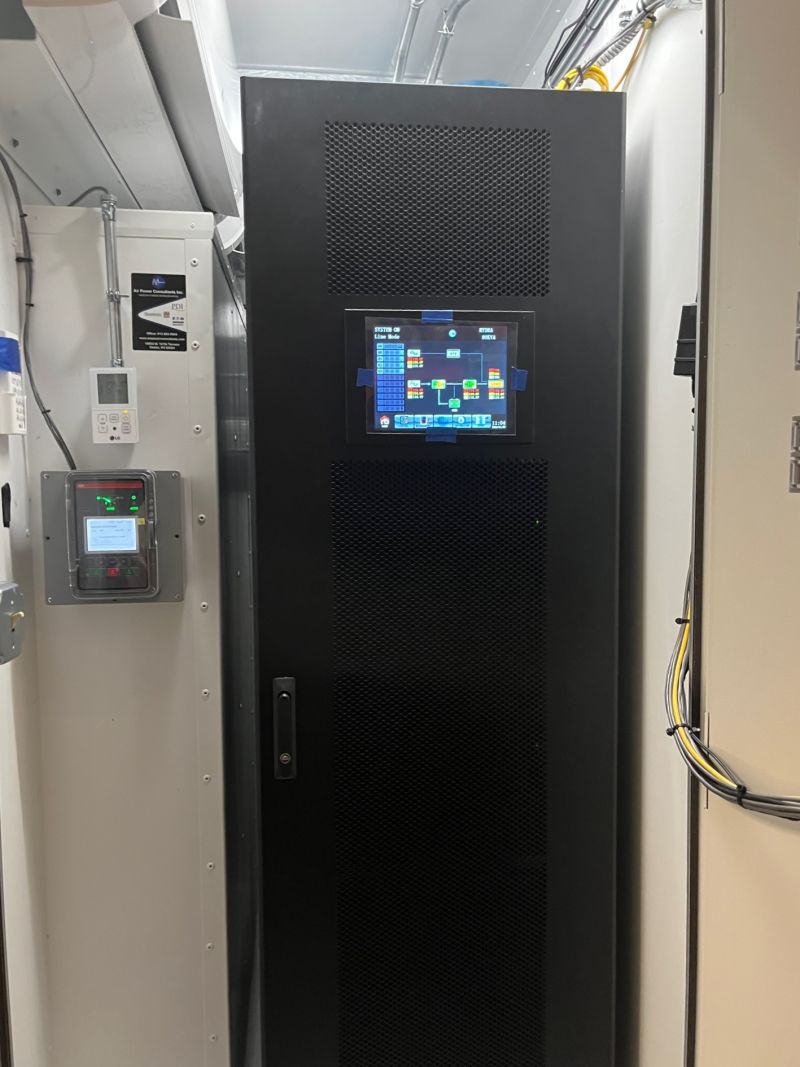
Why conventional UPS systems struggle in harsh environments
Most UPS systems are designed for controlled environments — data centers, server rooms, climate-conditioned offices. Their batteries are rated at 25°C. When those systems are deployed in warehouses, plant floors, outdoor enclosures, or mechanical spaces, the temperature assumption breaks down and battery life follows.
The most common failure mode in harsh environment UPS deployments isn’t the UPS — it’s the battery. A lead acid UPS installed in a non-conditioned space at 38°C ambient may start failing battery tests within 18 months. The replacement cost, labor, and downtime quickly exceeds the initial cost difference between lead acid and lithium. In any deployment where ambient temperature regularly exceeds 30°C, lithium should be the default specification.
Where harsh environment UPS systems are deployed
The physical environment shapes every aspect of UPS specification — form factor, temperature rating, battery chemistry, maintenance access, and enclosure requirements. These are the most common harsh environment deployment scenarios.
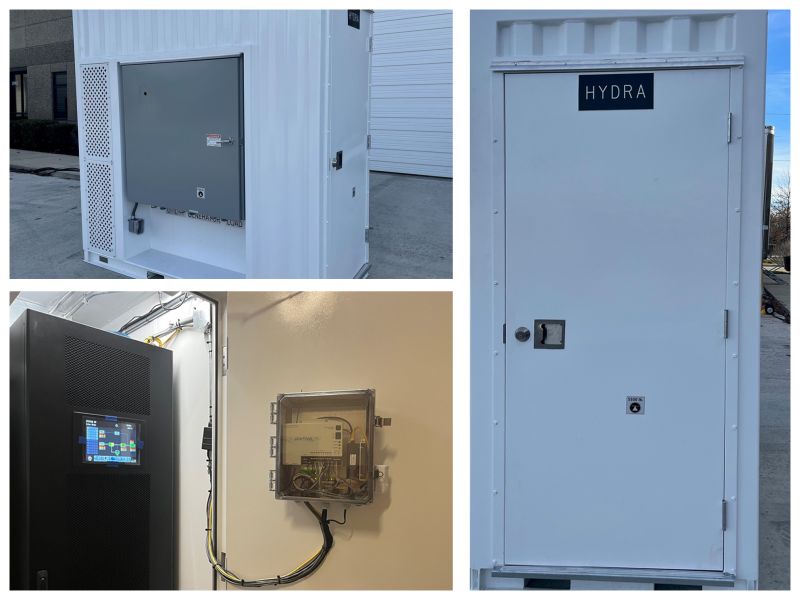
Outdoor enclosures, prefabricated equipment pods, and containerized deployments expose UPS systems to wide temperature ranges and no climate conditioning. Battery chemistry and enclosure rating both matter. Systems must operate reliably across seasonal temperature extremes and require long battery service life to minimize technician visits to remote sites.
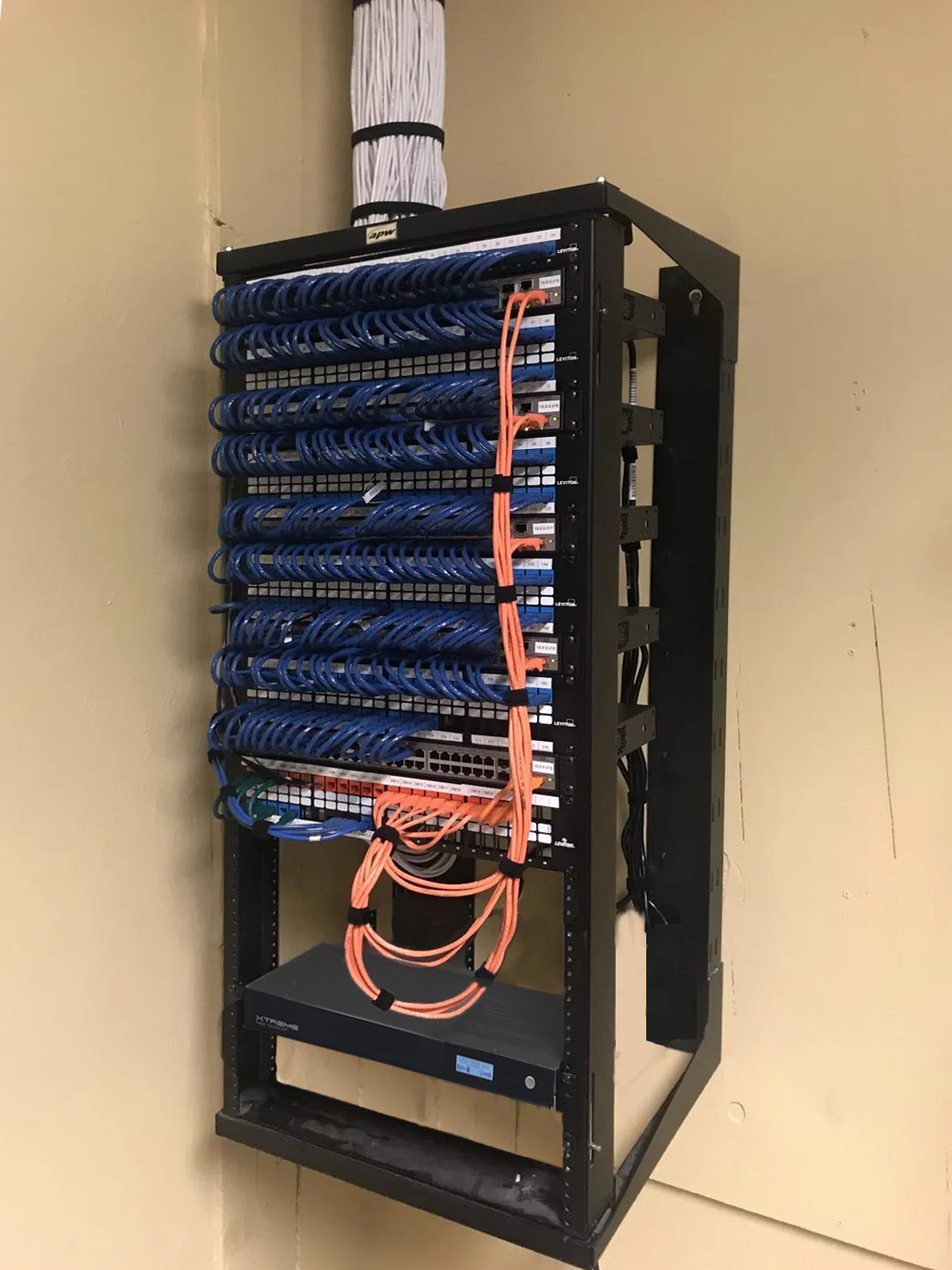
Manufacturing plant floors, mechanical rooms, utility spaces, and warehouse environments often operate well above 25°C — especially in summer months or near heat-generating equipment. Standard UPS systems deployed here fail battery replacement cycles far earlier than specified. Compact lithium UPS with high-temperature ratings and wall or flat-mount options are the practical solution.
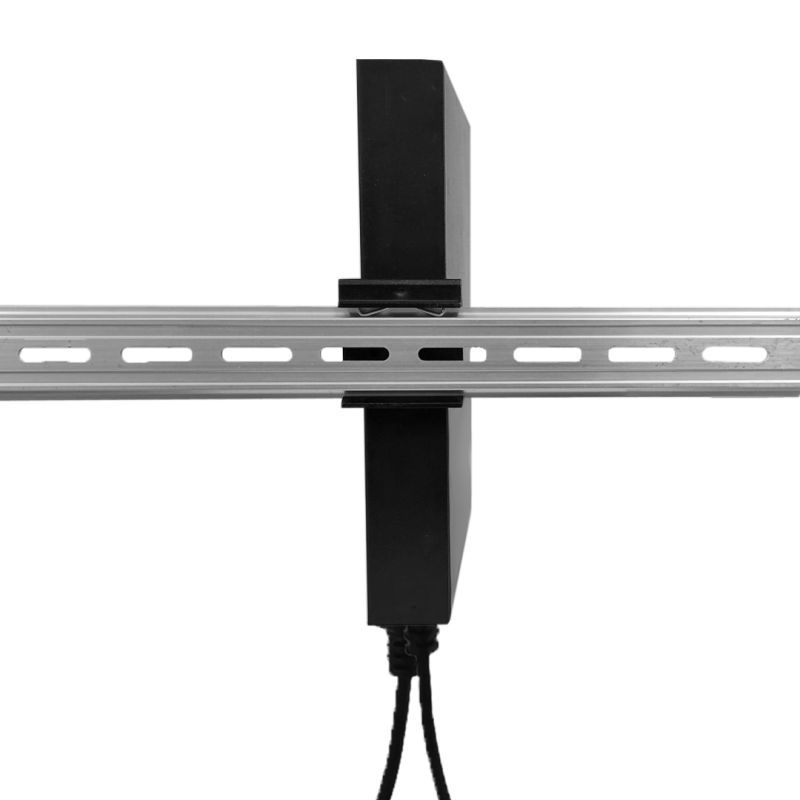
UPS systems installed inside sealed control panels face some of the most demanding thermal conditions — heat from PLCs, power supplies, and contactor gear accumulates inside the enclosure. Battery replacement requires opening the panel, de-energizing equipment, and often a specialized technician. LiFePO₄ chemistry and 15-year service life make lithium the only practical choice for embedded panel installations.
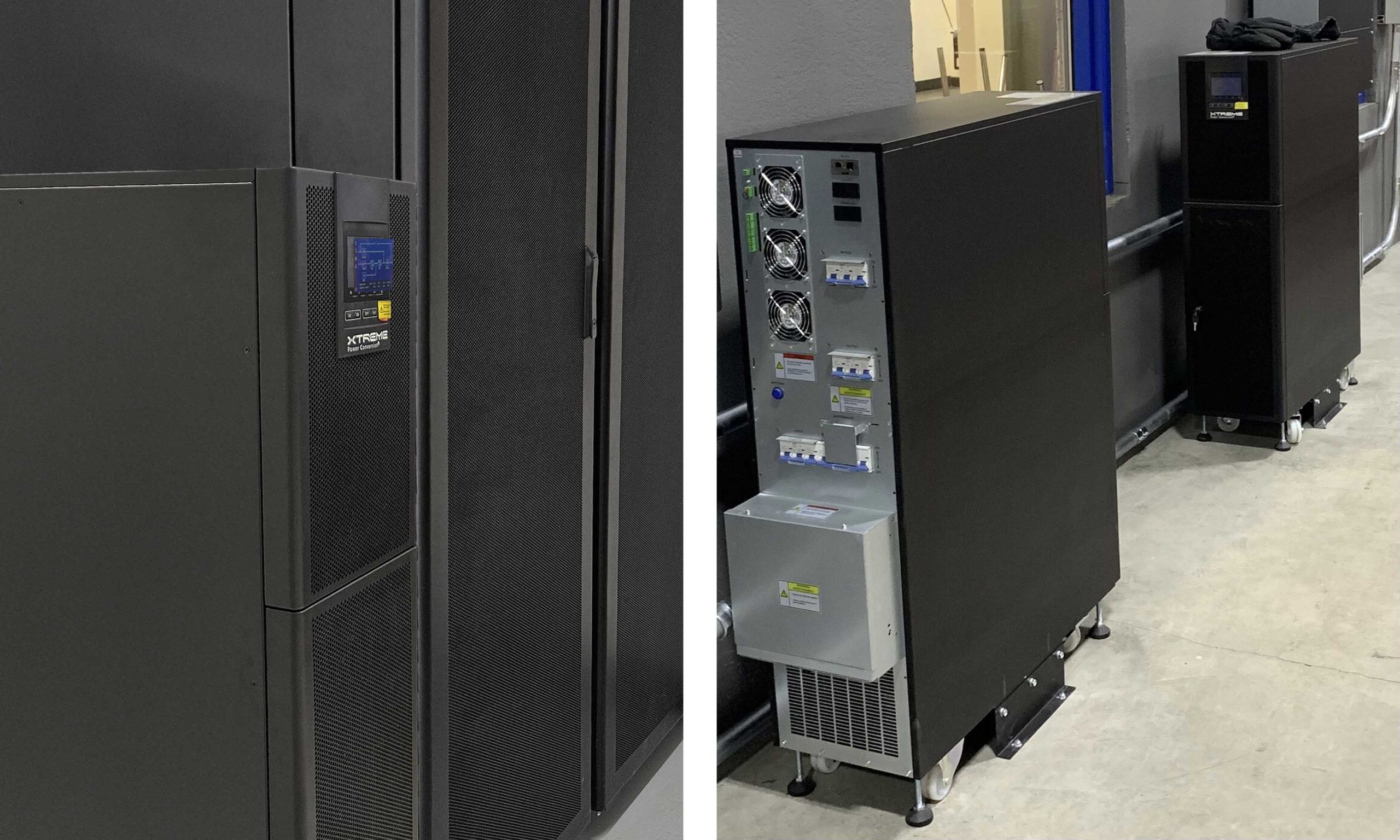
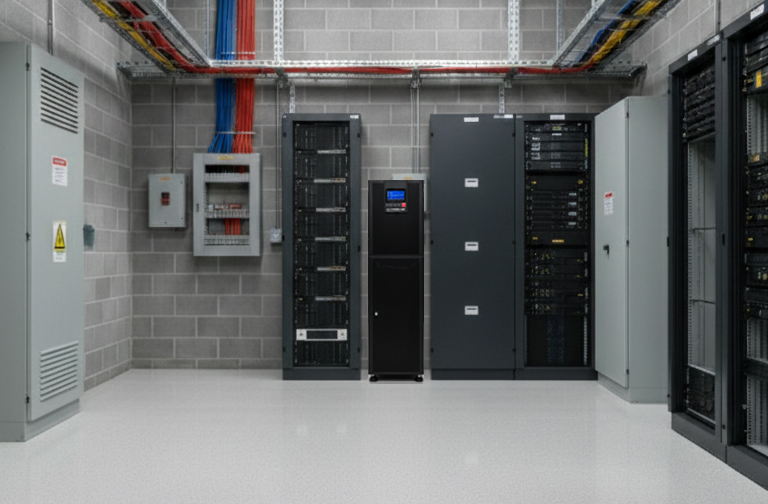
Large manufacturing facilities, processing plants, and industrial campuses require power protection at a scale beyond compact UPS systems — but still face the same temperature and maintenance challenges. Modular lithium UPS platforms combine the capacity of large UPS systems with the long battery service life and reduced maintenance intervention of LiFePO₄ chemistry.
UPS platforms engineered for harsh environments
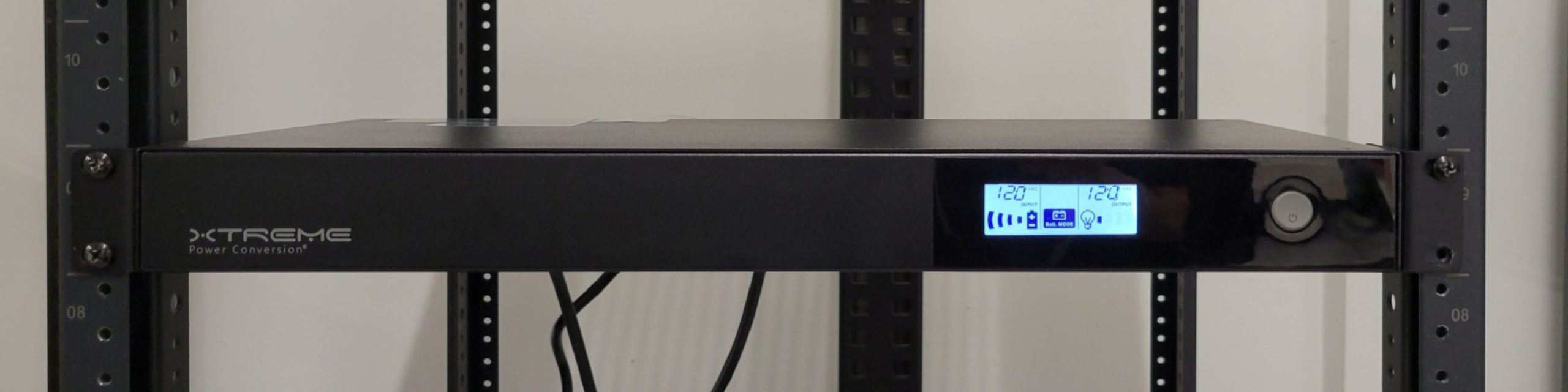
The J60 is the practical answer to the non-conditioned space battery replacement problem. LiFePO₄ chemistry maintains performance at elevated temperatures where lead acid degrades. Wall mount, flat mount, or DIN rail. Fanless — no moving parts, no dust accumulation, no fan failure. The J60C adds short-depth 1U form factor for shallow enclosures and industrial racks.
View J60 → View J60C →- Non-conditioned plant floors and warehouses
- Sealed control panels and automation cabinets
- Mechanical rooms and utility spaces
- Outdoor equipment enclosures (with appropriate housing)
- Remote sites where maintenance access is limited
- Any installation where ambient exceeds 30°C regularly
For large-scale outdoor and industrial deployments — prefabricated equipment pods, containerized infrastructure, and industrial campuses — modular UPS architecture provides the capacity and redundancy that compact systems cannot. The M90U-80 delivers up to 80kVA of online double-conversion protection in a tower format suited to outdoor enclosure deployment. The M90S platform provides scalable modular capacity with N+1 redundancy. Both are designed for integration with facility-level electrical infrastructure in environments without dedicated electrical rooms.
View M90U-80 → View M90S →- Outdoor prefabricated equipment enclosures
- Containerized infrastructure deployments
- Remote industrial sites without electrical rooms
- Large manufacturing facility infrastructure
- Industrial campuses requiring N+1 redundancy
- Edge computing and distributed generation sites
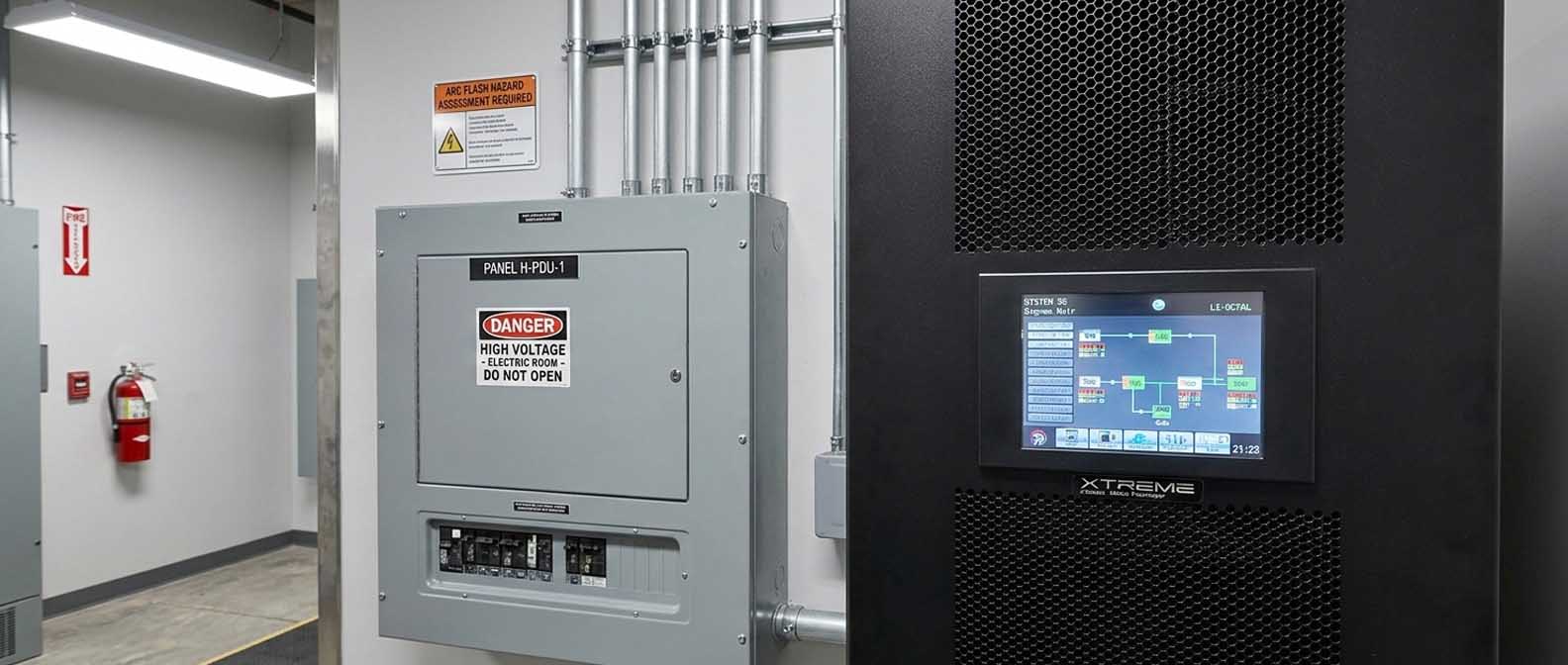
The Li90 brings LiFePO₄ chemistry to large-scale three-phase industrial UPS — combining the long battery service life and thermal stability advantages of lithium with the capacity needed for facility-level protection. For industrial facilities that have been managing lead acid battery replacement cycles in large UPS systems, the Li90 eliminates that maintenance burden while delivering better performance in elevated temperature environments.
View Li90 →- Large manufacturing facilities
- Industrial campuses with three-phase infrastructure
- Central automation control environments
- Process facilities with elevated ambient conditions
- Environments replacing large lead acid UPS systems
LiFePO₄ vs lead acid in harsh environments
The performance difference between lithium and lead acid is most pronounced exactly in the conditions that define harsh environment deployments — elevated temperature, limited maintenance access, and long deployment cycles.
| Factor | LiFePO₄ lithium | Sealed lead acid (VRLA) |
|---|---|---|
| Rated operating temperature | Up to 50°C (select models) | 25°C — degrades above this |
| Capacity at 35°C | Maintains rated capacity | 30–40% capacity loss typical |
| Service life at 35°C ambient | 10+ years (varies by model) | 2–3 years — accelerated degradation |
| Service life at 25°C | Up to 15 years / 3,000–5,000 cycles | 3–5 years / 200–500 cycles |
| Thermal stability | Inherently stable — no thermal runaway | Sulfation and stratification accelerate with heat |
| Maintenance requirement | No routine battery replacement | Replacement every 3–5 years (sooner in heat) |
| Form factor | Compact — up to 70% smaller at equiv. capacity | Larger and heavier at equivalent capacity |
| Best for harsh environments | ✓ Designed for it | ✗ Requires climate control to perform as specified |
Talk to an Xtreme Power engineer about your deployment environment
Temperature rating, battery chemistry selection, enclosure requirements, runtime planning — from engineers who have specified UPS for outdoor, plant-floor, and non-conditioned environments.