
Lithium UPS Systems for Demanding Environments
LiFePO₄ battery technology changes the ownership model: instead of replacing lead acid batteries every 3–5 years, these systems are designed to stay in service for the life of the infrastructure they protect.
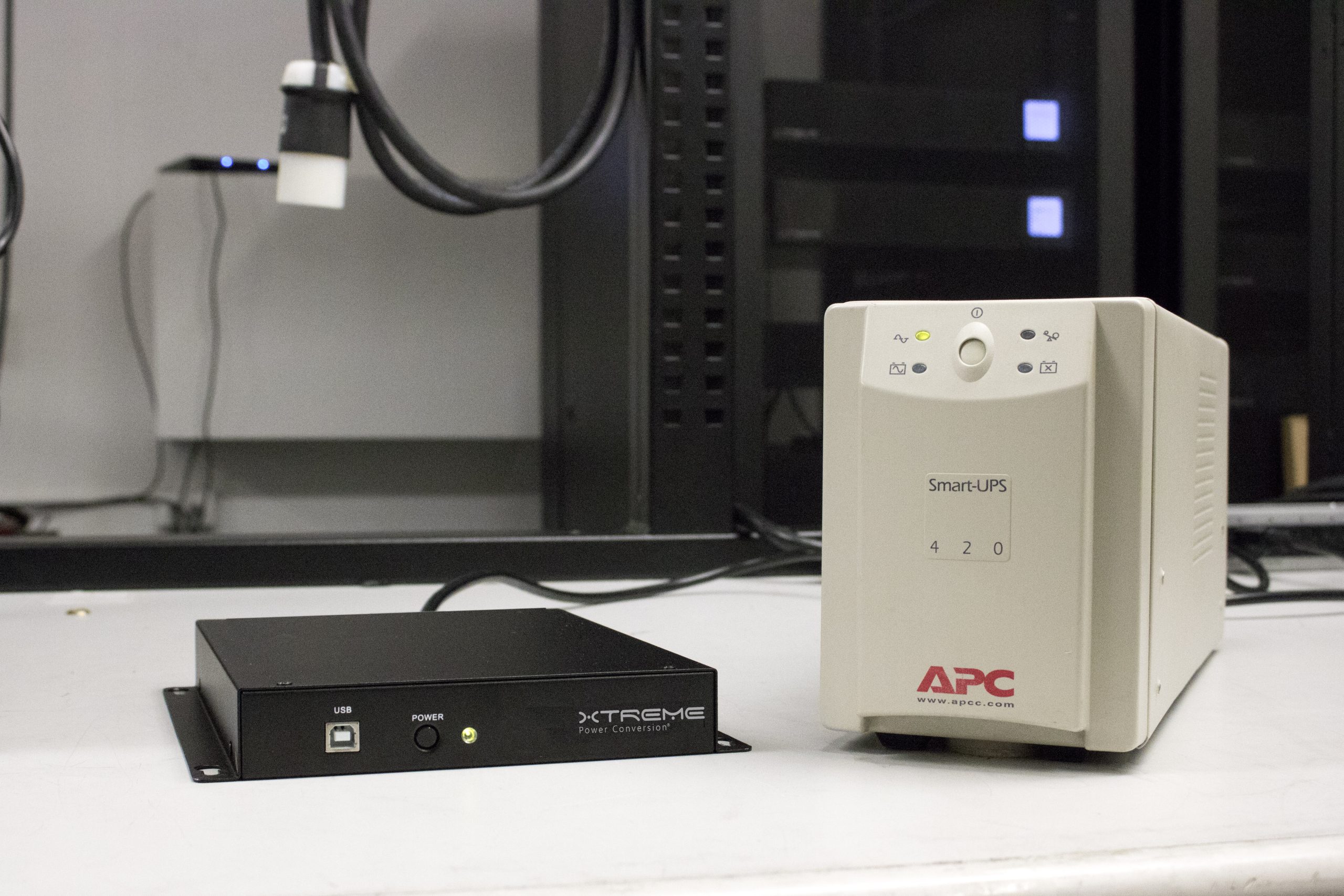
Find the right model for your deployment
| Model | Capacity | Voltage | Architecture | Form factor | Best for |
|---|---|---|---|---|---|
| J60View product → Compare → | 350VA, 600VA | 120V | Standby | Ultra-slim, fanless. Wall, DIN rail, or flat mount. | KiosksDigital signageEmbedded installs |
| J60iView product → Compare → | 350VA, 600VA | 230V | Standby | Ultra-slim, fanless. Wall, DIN rail, or flat mount. | KiosksDigital signageEmbedded installs |
| J60CView product → Compare → | 600VA | 120V or 230V | Standby | 1U short depth. Rack or wall mount. | Structured wiringShallow cabinets |
| P91LiView product → Compare → | 1kVA (Nov 2026), 1.5kVA, 2kVA, 3kVA | 120V | Online | Rack or tower convertible. | Edge ITNetworkMedical |
| P91gLiView product → | 1.5kVA, 2kVA, 3kVA | 208–240V | Online | Rack or tower convertible. | Higher voltage ITInternational |
| J90View product → Compare → | 1kVA, 1.5kVA, 2kVA, 3kVA | 120V | Online | 1U high density. Rack or wall. Switchable outlets. | High-density rackAdvanced monitoring |
| J90iView product → Compare → | 1kVA, 1.5kVA, 2kVA, 3kVA | 208–240V | Online | 1U high density. Rack or wall. Switchable outlets. | Global deployments230V rack |
| Li90View product → Compare → | 10kW, 20kW, 30kW | 208/120V three-phase, 4W + G | Online | Single 12.6″ cabinet, internal batteries. | Electrical roomsVRLA retrofits |
Eight models. One battery chemistry.
Every model uses LiFePO₄ chemistry and is designed to eliminate routine battery replacement. The differences are form factor, voltage, and protection architecture, matched to the deployment environment.
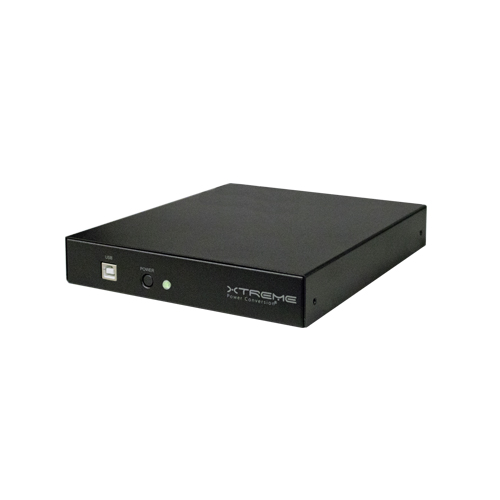
Designed for installations where a conventional UPS physically cannot fit: behind kiosk displays, inside digital signage enclosures, or on DIN rails in compact control panels. Wall, DIN rail, or flat mount. No fan means no noise and no moving parts to maintain.
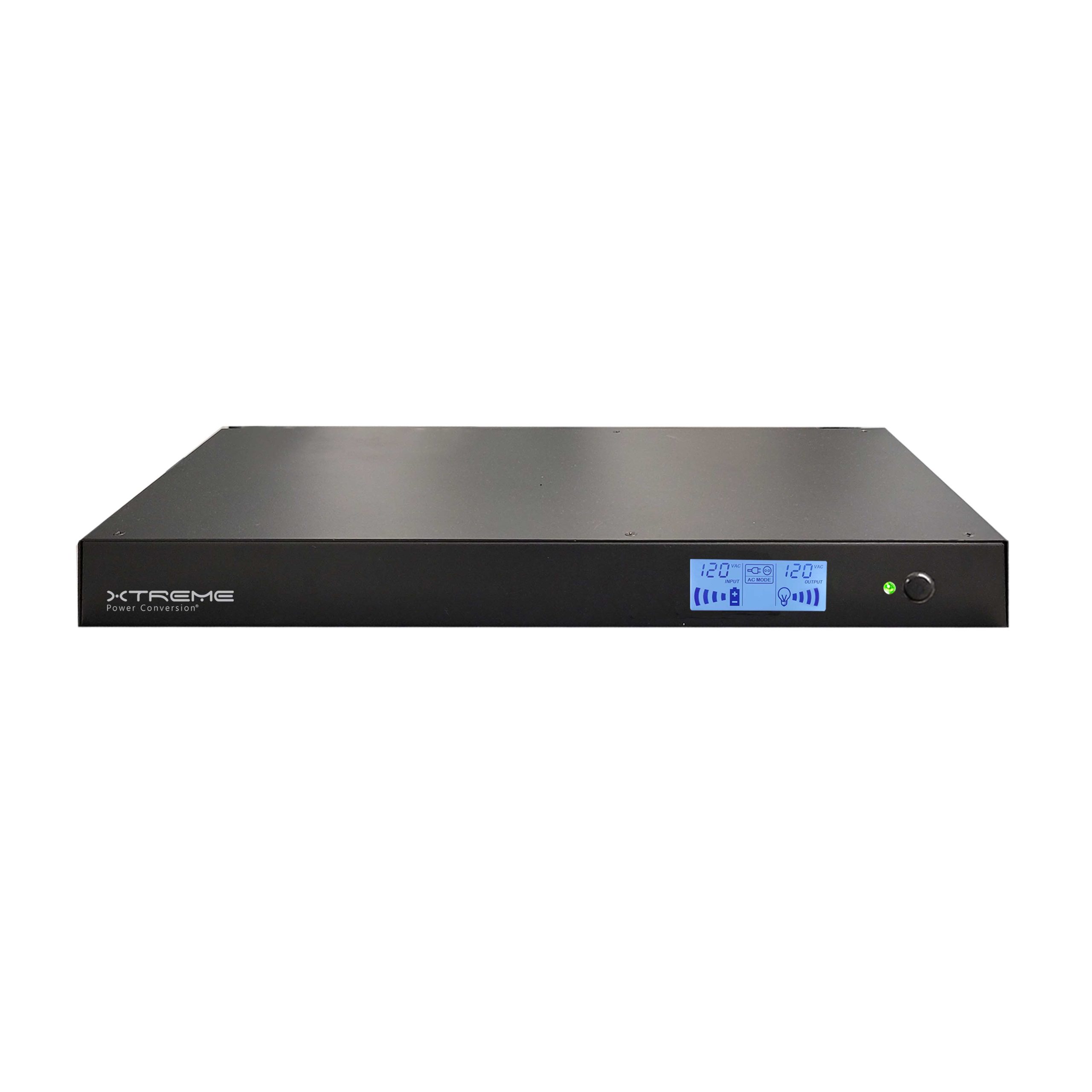
Short depth 1U form factor solves the installation constraint that makes traditional rack UPS impractical in shallow wiring cabinets, telecom enclosures, and wall-mount panels. Rack or wall mount. Same LiFePO₄ chemistry as the broader J60 family.

Double-conversion online architecture provides continuous clean power to switches, servers, and communications equipment regardless of utility conditions. Rack or tower convertible. 120V. The lithium platform eliminates the maintenance cycle that makes lead acid UPS deployments in edge locations expensive to manage.
208V and 230V online lithium protection for commercial IT environments, international deployments, and installations where higher voltage distribution is standard. Rack or tower convertible. Identical protection architecture to the P91Li with voltage flexibility for global use cases.

High-density 1U online lithium UPS for rack environments where space is at a premium. Switchable outlets enable load management and remote control. Advanced monitoring for visibility into battery health, load, and runtime. Wall or rack mount. 120V.
International version of the J90 for global infrastructure deployments and 230V rack environments. Identical monitoring capability, outlet control, and 1U footprint. Wall or rack mount. Supports global infrastructure requirements where 208V or 230V distribution is standard.

Full three-phase protection without external battery cabinets, so it fits compact three-phase power into space-constrained and retrofit installations. Configurable internal runtime, available in 10, 20, and 30kW. Factory start-up and 2 years of on-site service included in the USA.
Why LiFePO₄ outperforms lead acid over the life of a deployment
The performance advantage of lithium iron phosphate is not about a single spec. It’s about how the battery behaves over thousands of cycles and across a wide temperature range. Lead acid batteries degrade fastest precisely in the conditions where UPS systems are most often deployed.
LiFePO₄ cells are rated for 3,000–5,000 discharge cycles. At one cycle per day, that’s 8–14 years of daily operation. Lead acid UPS batteries typically require replacement every 3–5 years under similar conditions.
Select models operate reliably to 50°C (122°F). Lead acid batteries lose capacity rapidly above 25°C and can fail prematurely in environments that regularly reach 35°C or higher.
LiFePO₄ batteries accept charge faster than lead acid. Xtreme Power lithium models recharge in about 1 to 4 hours depending on model, restoring protection quickly after an outage.
LiFePO₄ cells have significantly higher energy density than lead acid. At equivalent capacity, lithium UPS systems are up to 70% smaller and lighter, enabling form factors like the J60 that are simply not achievable with lead acid chemistry.
Eliminating two or three battery replacement cycles, each requiring parts, labor, and downtime, offsets the higher initial cost of lithium in most deployments within 5–7 years.
Every system includes an integrated battery management system monitoring cell voltage, temperature, and charge state. LiFePO₄ is the most thermally stable common lithium chemistry, with far lower thermal runaway risk than NMC. Li90 fire safety documentation →
LiFePO₄ (lithium iron phosphate)
- 3,000–5,000 discharge cycles at standard depth
- Maintains capacity in elevated temperatures
- Most thermally stable lithium chemistry; far lower thermal runaway risk than NMC
- Consistent performance through full discharge range
- Integrated BMS for real-time cell monitoring
- Higher energy density enables compact form factors
Sealed lead acid (VRLA)
- 200–500 cycles at standard depth before significant degradation
- Capacity drops rapidly above 25°C operating temperature
- Sulfation and stratification accelerate with age and heat
- Significant capacity loss in final 20% of discharge range
- Replacement typically required every 3–5 years
- Heavy and bulky, limits form factor options
Where lithium UPS systems are deployed
The common thread across these applications is environments where battery replacement is costly, disruptive, or impractical, and where a smaller, lighter form factor solves a real installation problem.
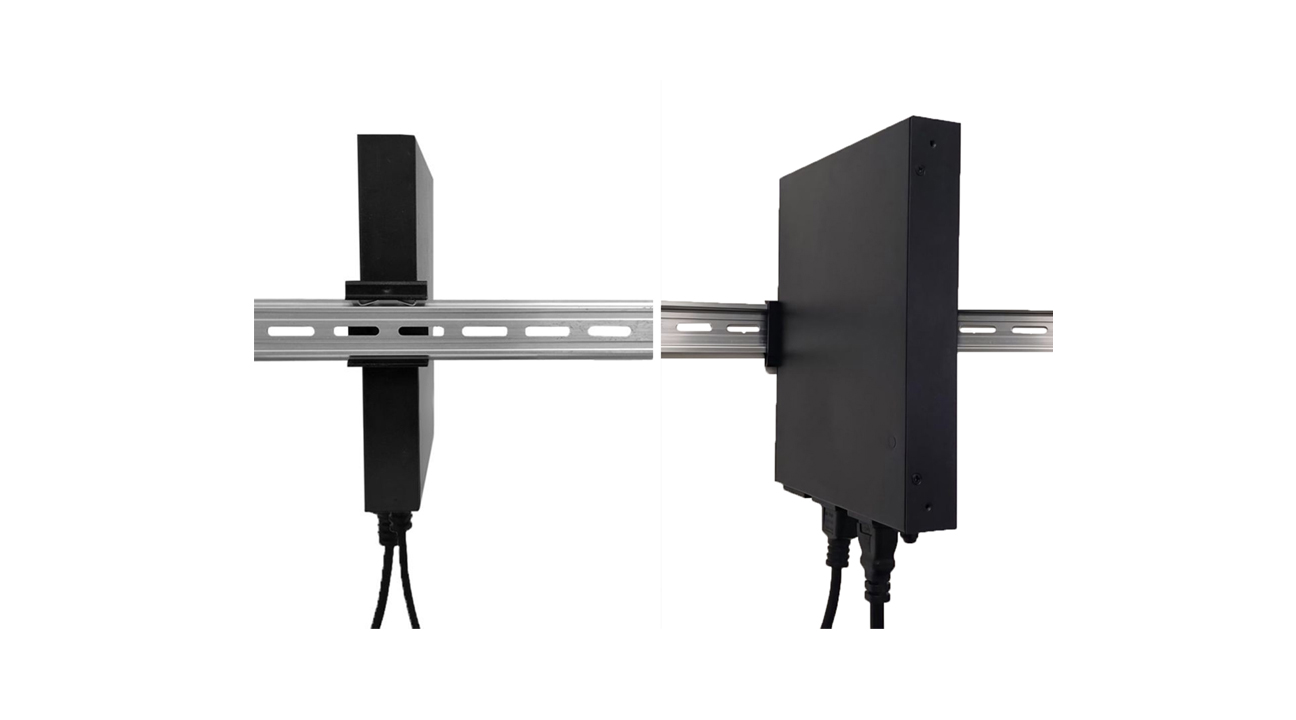
Ultra-slim fanless form factor mounts behind displays and on DIN rails inside enclosures. Silent operation suits public environments. Battery rated for up to 15 years.
J60 product page → J60i product page →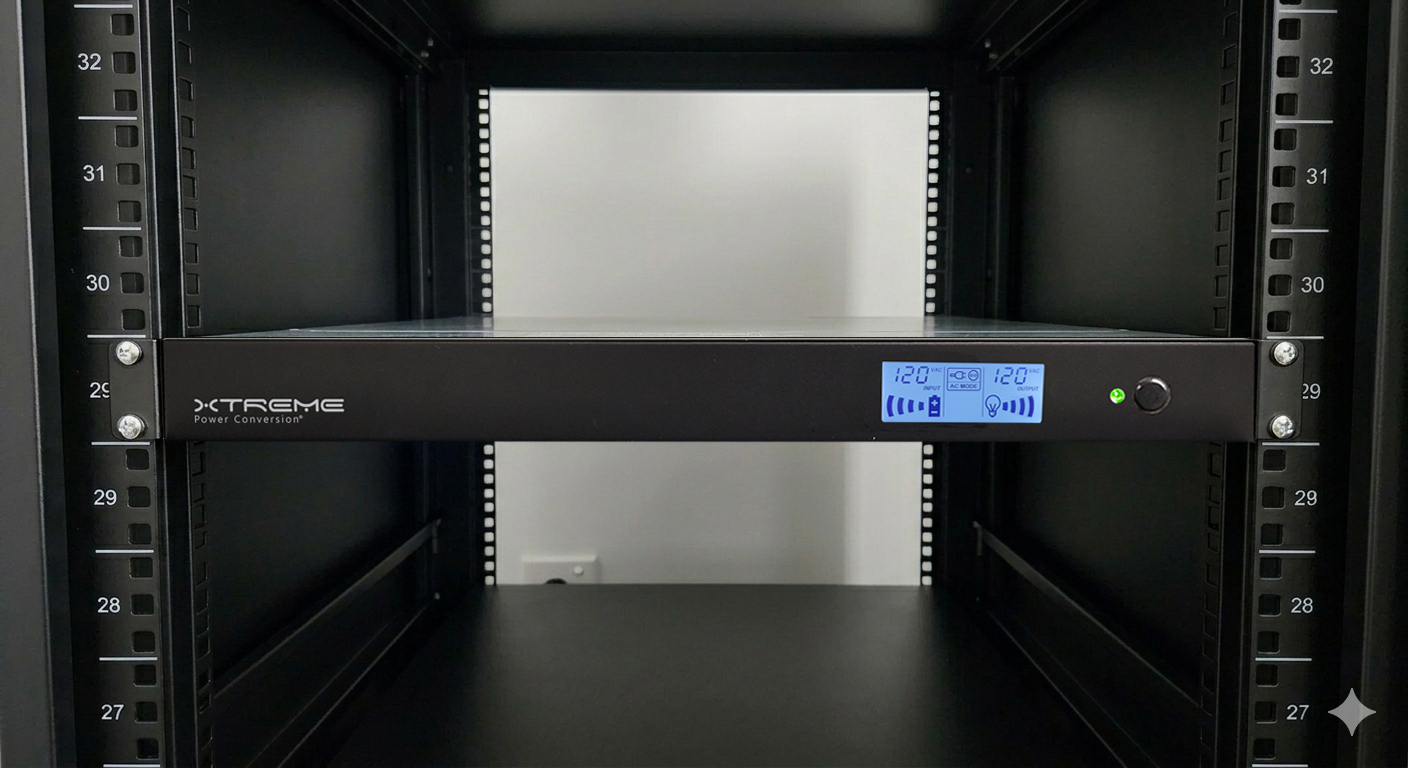
Short depth 1U form factor fits where standard rack UPS cannot. Eliminates the workaround of under-sizing protection to fit the enclosure.
J60C product page →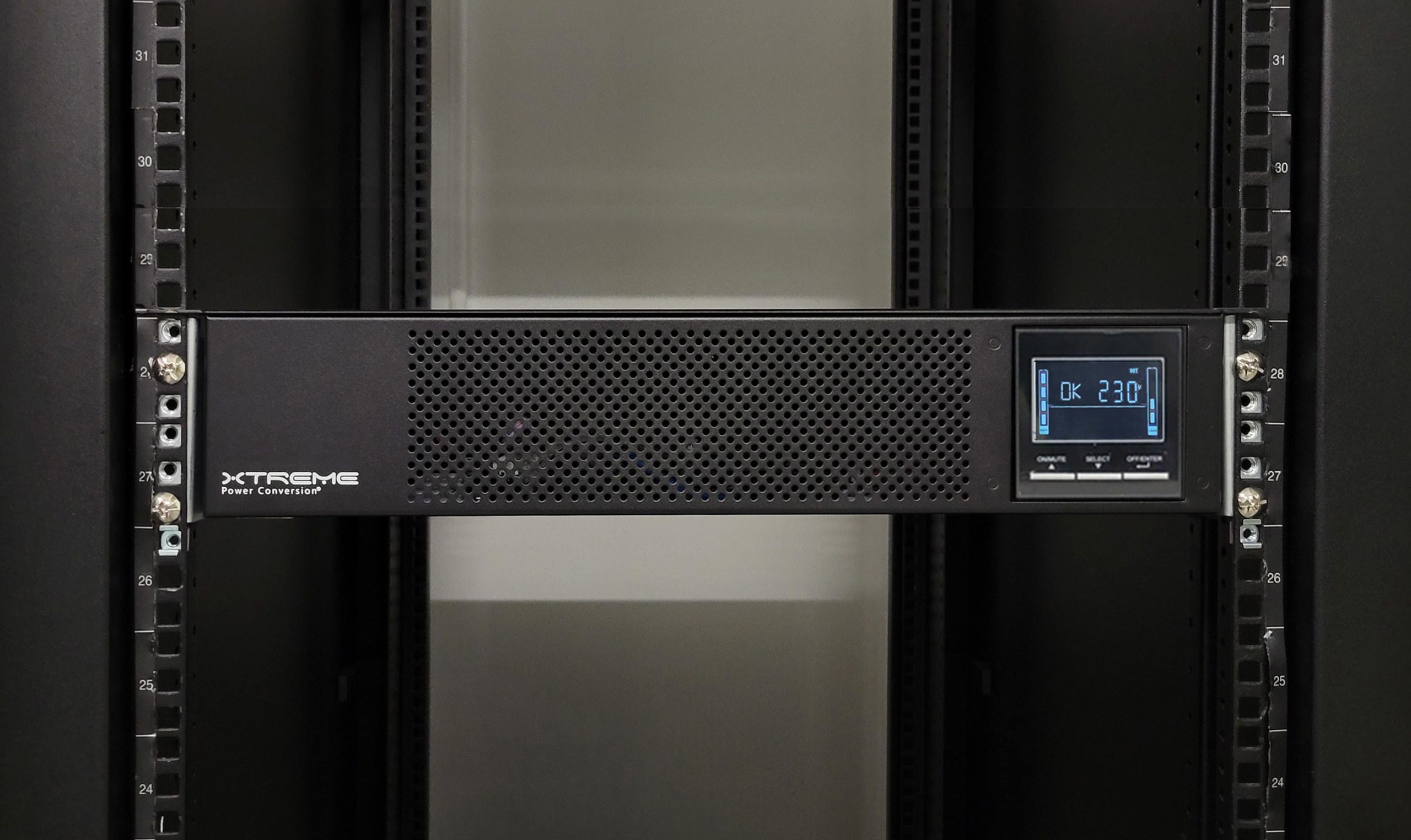
Online double-conversion protection for switches, servers, and communications gear at distributed sites where a technician visit for battery replacement is expensive and disruptive.
P91Li product page →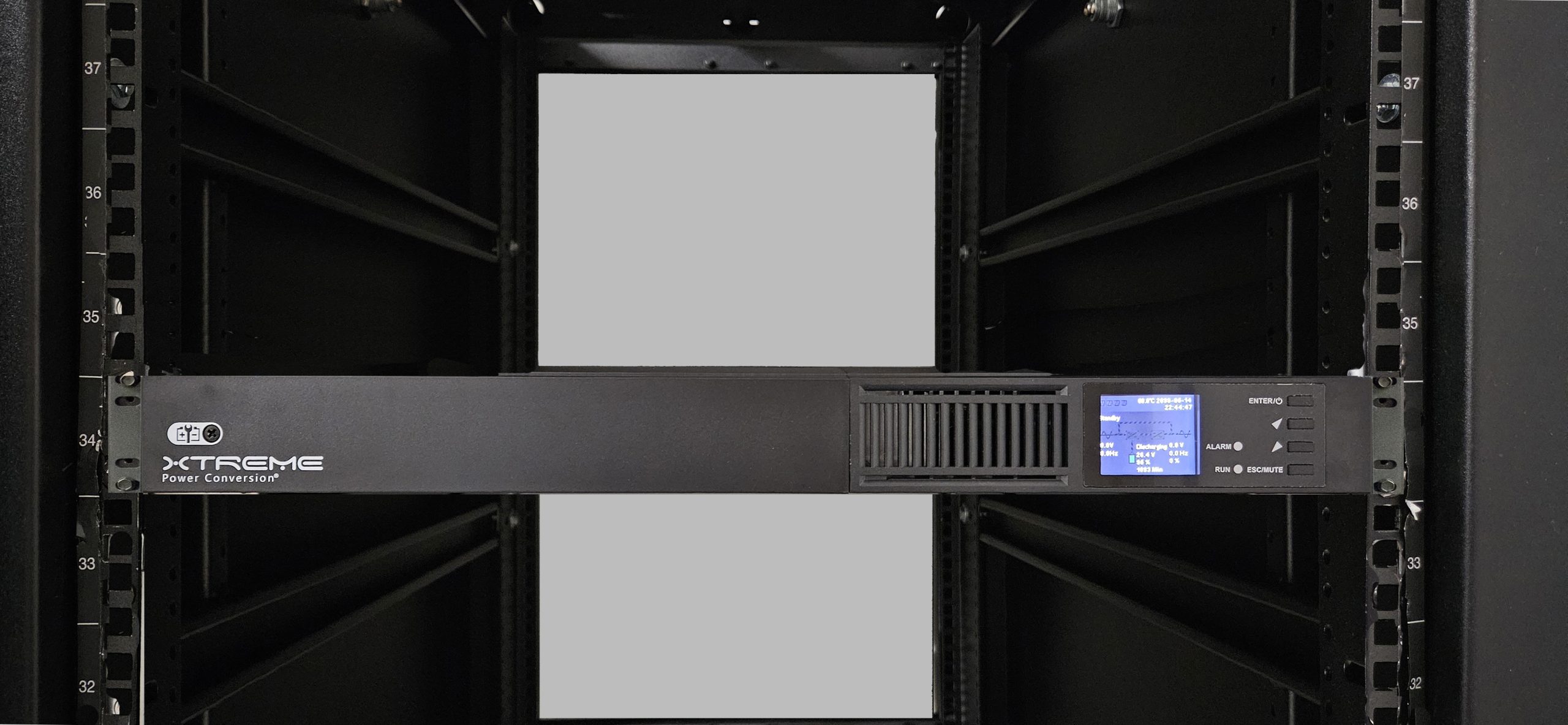
High temperature tolerance and long service life suit industrial environments where ambient temperatures are elevated and unplanned maintenance is costly. Select models rated to 50°C.
J90 product page →
Online double-conversion provides clean, conditioned power for sensitive equipment. Long battery service life reduces maintenance intervention in clinical environments where equipment access is restricted.
P91Li product page →
208V and 230V models support global deployments with the same lithium platform advantages. J90i adds switchable outlet control for international rack environments.
P91gLi product page →Understanding the warranty and battery life figures
Battery service life and product warranty are different figures and are sometimes confused. Here’s what each means for a lithium UPS deployment.
Battery service life projections are based on LiFePO₄ chemistry characteristics under controlled conditions. Actual service life varies with operating temperature, depth of discharge, charge cycle frequency, and installation environment. Deployments in elevated temperature environments should use the high-temperature warranty figures for planning purposes.
Load protection: the J60 and J60C carry a $25,000 connected-equipment load protection policy and the J90, J90i, P91 Li and P91g Li carry $50,000 (USA and Canada; 208–240V models when installed at 208 or 240V). Register within 10 days of purchase. The J60i and Li90 are not covered.
Common questions about lithium UPS systems
How long does a lithium UPS battery last?
LiFePO₄ batteries are rated for 3,000 to 5,000 discharge cycles and up to 15 years of service in ideal conditions (25 °C or below, moderate depth of discharge), 3 to 4 times the life of sealed lead acid, which typically needs replacing every 3 to 5 years. Continuous operation above 40 °C shortens service life and reduces warranty coverage. In the field, 95% of J60-series batteries are still above 80% capacity after 10 years.
Can lithium UPS systems operate in high temperatures?
Yes, to 50 °C (122 °F). The J90 and J90i deliver full rated output to 50 °C; the J60 family derates output above 40 °C. Lead acid batteries lose life rapidly above 25 °C. Installations running continuously between 40 and 50 °C carry a 2-year warranty.
Is LiFePO₄ safe compared to other lithium chemistries?
LiFePO₄ is the most thermally stable of the common lithium chemistries and far less prone to thermal runaway than NMC, the chemistry used in many other lithium UPS systems. Every model includes a battery management system that monitors cell voltage, temperature and state of charge. For three-phase installations, see the Li90 fire safety documentation.
What’s the difference between standby and online double-conversion?
A standby UPS (J60, J60i, J60C) passes utility power to the load and switches to battery during an outage, with a brief transfer time. An online double-conversion UPS (P91 Li, P91g Li, J90, J90i, Li90) runs the load through the inverter continuously, giving conditioned power with zero transfer time. Online is recommended for sensitive IT, medical and network equipment.
Why choose lithium over a traditional lead acid UPS?
Lifecycle cost. A lead acid UPS needs new batteries every 3 to 5 years, with parts, labor and a site visit each time; a LiFePO₄ battery is rated for up to 15 years. Lithium is also smaller and lighter at the same capacity, recharges in about 1 to 4 hours, and tolerates heat far better. The higher purchase price is typically recovered within 5 to 7 years.
Can I put lithium batteries in my existing lead-acid UPS?
No. A lead-acid UPS’s charger and battery monitoring are designed for lead acid, and lithium batteries need their own battery management system. Moving to lithium means replacing the UPS; Xtreme Power lithium models come in the same rack and tower formats.
Is there a three-phase lithium UPS?
Yes. The Li90 is a 10, 20 or 30 kW three-phase lithium UPS at 208/120V with its LiFePO₄ batteries integrated inside one 12.6-inch cabinet, so no external battery cabinets are needed. See the Li90 →
What warranty and load protection come with these models?
Warranty is 5 or 6 years on the single-phase models in the USA and Canada, 2 years where ambient runs continuously between 40 and 50 °C, and 2 years depot repair elsewhere. The J60 and J60C carry a $25,000 load protection policy and the J90, J90i, P91 Li and P91g Li $50,000 in the USA and Canada, with registration within 10 days.
More from Xtreme Power
Talk to a lithium UPS specialist
Model selection, runtime sizing, installation guidance, and competitive replacement recommendations, from people who know the product line.