
UPS for Pharmacy Automation: Keep Dispensing and Compounding Running Through Power Loss
Hospital and retail pharmacies now run on machines: dispensing cabinets on every floor, pouch and blister packagers, storage robots, counters and IV compounding systems. When power drops, those machines stop in the middle of a cycle. Fills have to be redone, mechanisms have to re-home, and nurses and patients wait. A correctly sized UPS keeps the equipment running through short outages and through the seconds before a generator picks up the load.

What a power loss costs a pharmacy
Pharmacy automation is built to run continuously, and most of it is mechanical. A robot arm, a pouch sealer or a counting wheel that stops without warning leaves work half done. When power returns, the machine has to recover before it can fill again: re-homing, clearing a partial pack, checking canisters, or verifying a count. Meanwhile the orders keep coming.
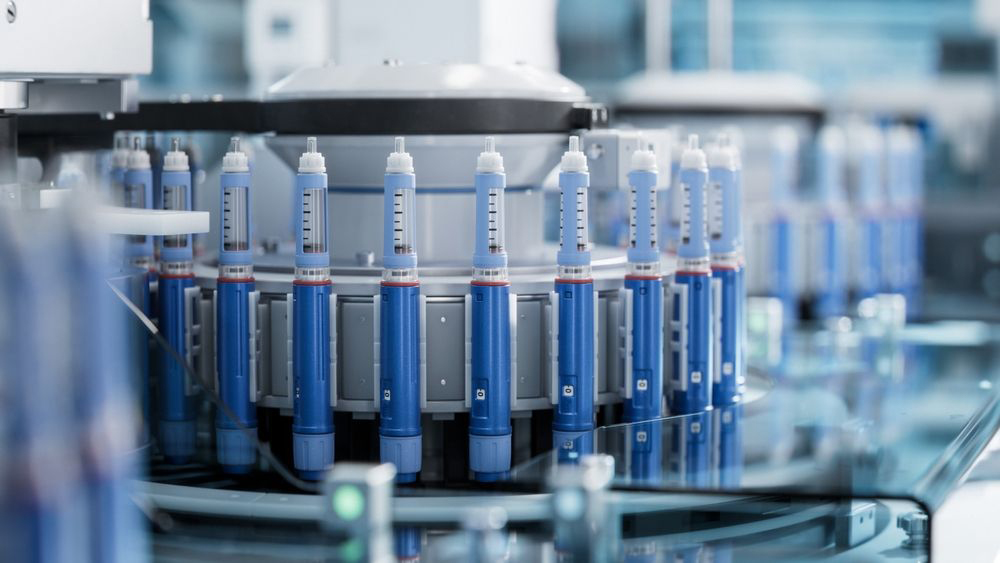
A facility generator restores power, but it can take up to 10 seconds to pick up the load. That gap is long enough to stop every machine in the pharmacy. A UPS bridges it, and covers the short sags and outages that never reach the generator at all.
Matching a UPS to pharmacy equipment
Most pharmacy machines draw between a few hundred VA and 3 kVA; larger storage robots can need 5 kVA or more. Size from the equipment nameplate, plus any PC, printer or network switch on the same circuit.
| Equipment | What a power loss costs | Typical size | XPC models |
|---|---|---|---|
| Automated dispensing cabinets | Drawers can stay locked until the cabinet reboots, and nurses fall back to override access and manual records. | Small to medium | J60C, J90, P91 Li |
| Will-call and pickup lockers | Patients can’t collect prescriptions; staff revert to manual handoff. | Small | J60, J60C |
| Pouch and blister packagers | Partly sealed strips and packs, batches to re-run, and canisters to check. | Medium | J90, P91 Li, T91 |
| Robotic storage and retrieval | The robot stops mid-pick, has to re-home, and fills back up. | Medium to large | J90, T91, P91 5-10 kVA |
| Tablet counters and vial fillers | A count or fill in progress has to be verified or redone. | Small | J60C, J90 |
| IV compounding robots and gravimetric workstations | A dose in progress may have to be discarded. | Medium | J90, P91 Li, T91 |
| Pharmacy servers, network and label printers | Orders stop flowing to the floor; labels fail mid-job. | Small to medium | J90, P91 Li |
Small: under 1 kVA. Medium: 1 to 3 kVA. Large: 5 to 10 kVA. Confirm against the equipment nameplate, or ask us to size it.
Power protection for sterile and hazardous compounding
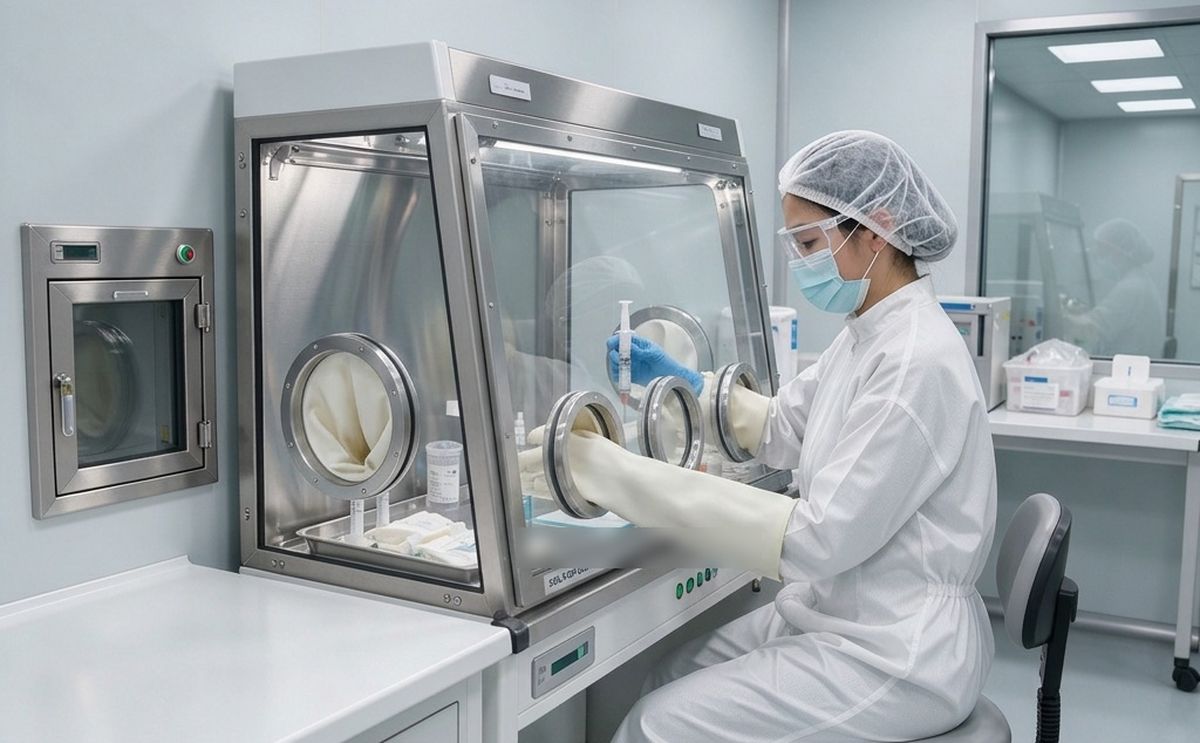
Compounding rooms built to USP <797> and <800> depend on equipment that has to keep running: laminar airflow workbenches, biological safety cabinets, compounding aseptic isolators, and the room pressure and temperature monitors around them. If a hood loses power during a preparation, the dose is usually discarded, and the hood has to be cleaned and run before it is used again. IV compounding robots and gravimetric workstations add the same mid-cycle risk as other pharmacy automation.
What to protect
- IV compounding robots and gravimetric workstations
- Hood and isolator controls and blowers
- Room pressure and temperature monitoring
- Refrigerators holding compounded preparations
How to size it
- Workstations and monitors: J90 or P91 Li, 1 to 3 kVA
- Hoods and isolators: size from the blower and controls nameplate
- Refrigerators: see UPS for medical refrigerators →
Built for equipment that runs all day, every day
Lithium batteries that outlast the equipment refresh
Lithium iron phosphate (LFP) batteries last up to 15 years, so a UPS mounted inside a cabinet or behind a robot rarely needs a battery change.
Online double conversion
The J90, P91 and T91 run the load full time from the inverter, so sags, surges and generator transfers never reach the equipment.
Fits where the equipment is
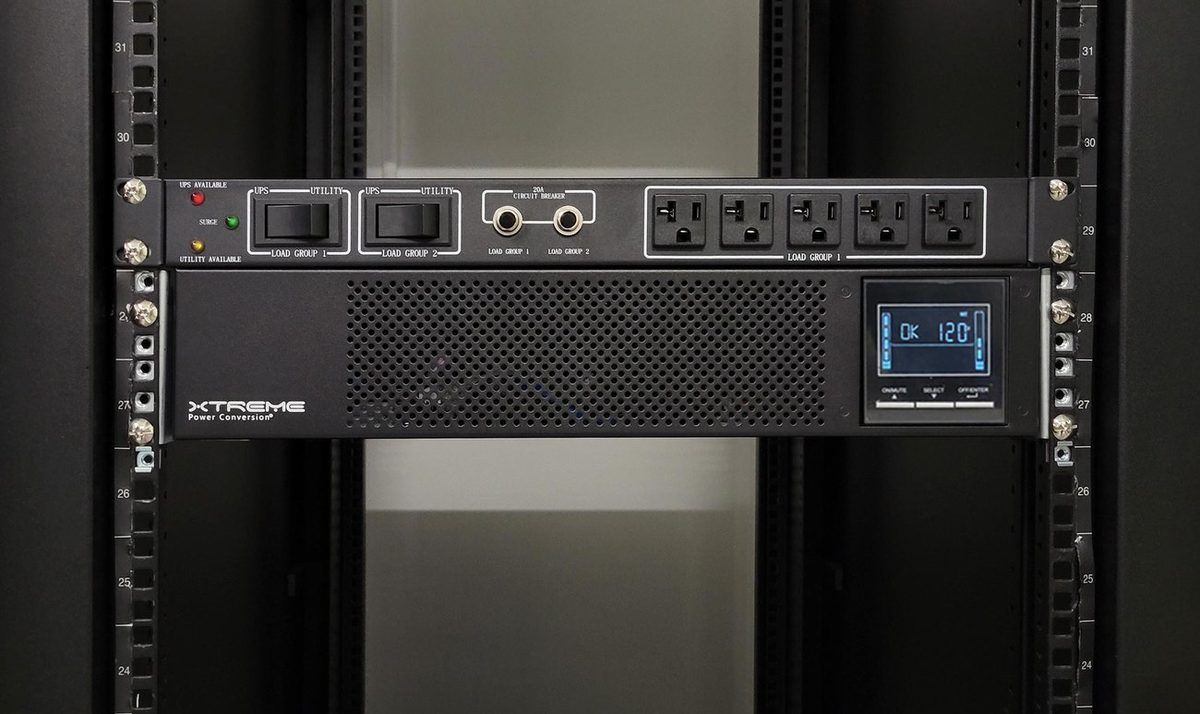
The J60C is a 1U lithium UPS only 8.5 in deep; the J90 delivers 1 to 3 kVA online in 1U. Both fit short racks and enclosures.
Long warranties
5-year warranty on the J60 family and 6-year warranty on the J90 and P91 Li, covering electronics and battery (USA and Canada).
TAA compliant and UL listed
For hospital, government and military pharmacies that require TAA-compliant equipment.
Monitoring that ties into building systems
Optional Web/SNMP cards report status and alarms, with Modbus TCP and BACnet on the SNMP-2PV3.
Pharmacy-ready UPS models
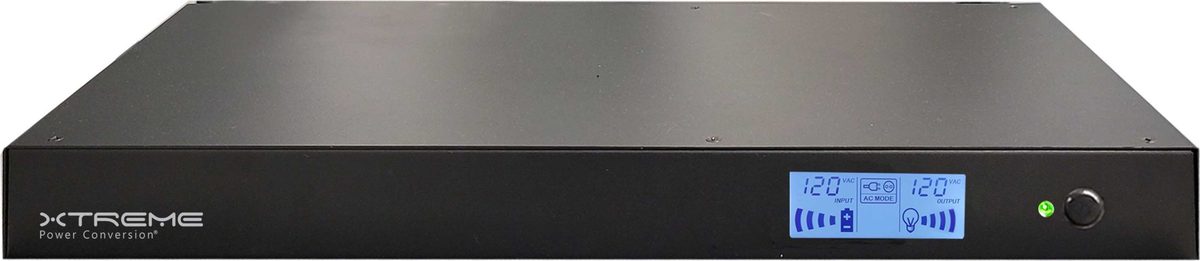
J60C · 600 VA lithium, 1U
- 8.5 in deep for cabinets and short racks
- Rack, tower or wall mount; optional Web/SNMP
- Dispensing cabinets, lockers, counters
- J60C details →
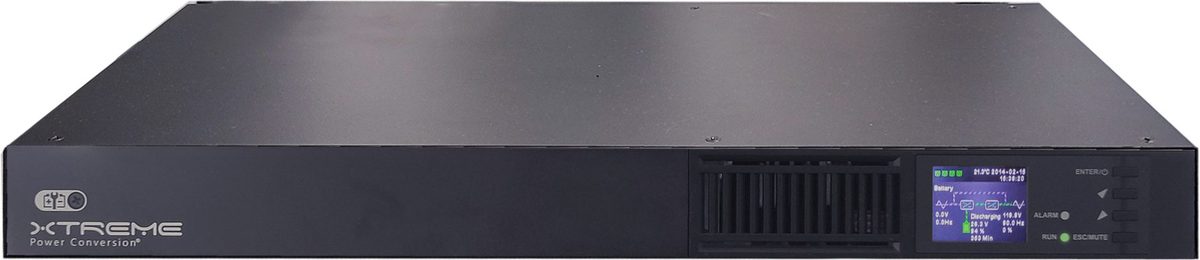
J90 · 1-3 kVA online lithium, 1U
- Hot-swappable LFP battery; extended runtime packs
- Remote outlet control via Web/SNMP
- Packagers, compounding workstations, pharmacy IT
- J90 details →

P91 Li · 1-3 kVA online lithium, rack/tower
- 6-year electronics and battery warranty
- Hot-swappable battery
- Packagers, IV compounding systems
- P91 Li details →
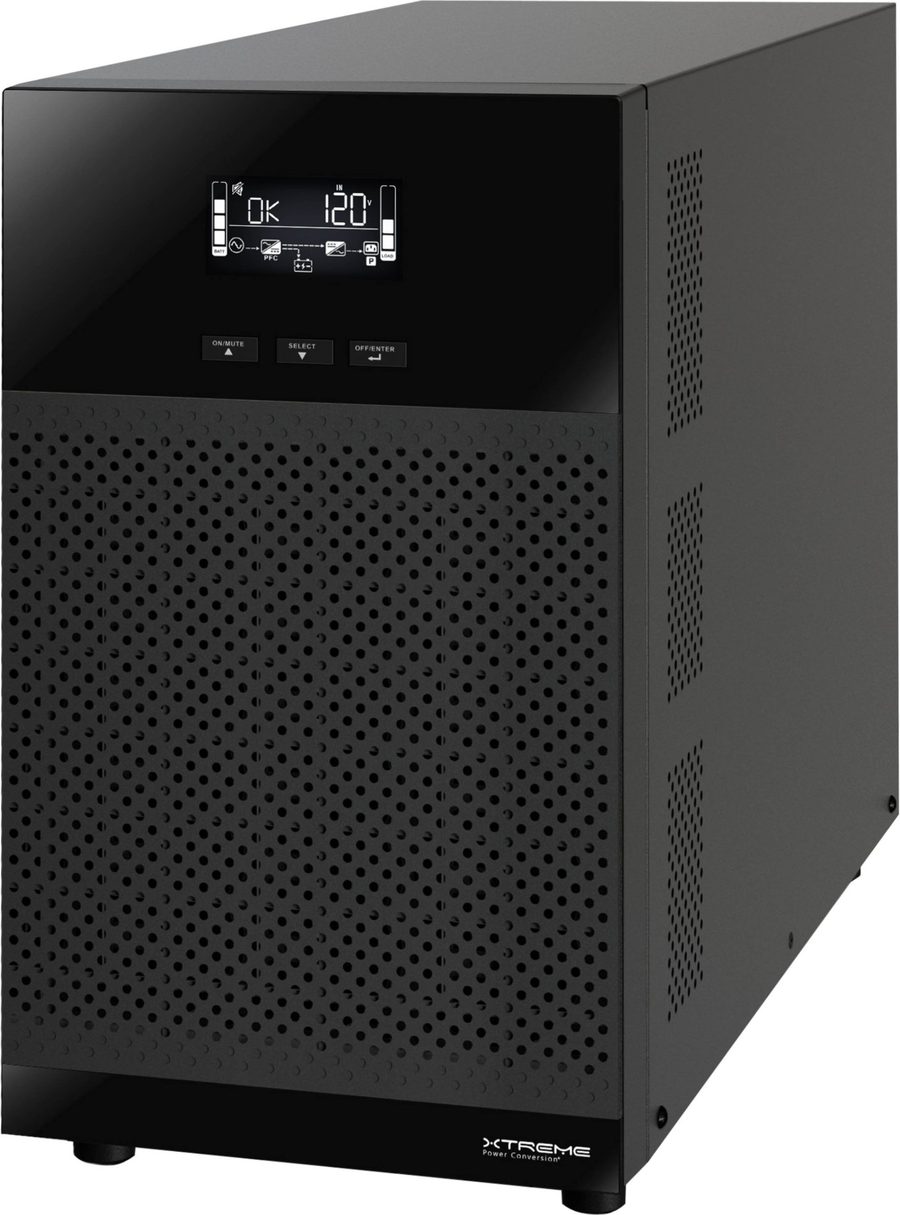
T91 and P91 5-10 kVA · larger systems
- Online, with external battery packs for long runtime
- Storage and retrieval robots, central-fill lines
- T91 → P91 5-10 kVA →
Building a UPS into pharmacy automation
Many pharmacy machines ship with a UPS already specified. XPC supplies UPS systems to equipment makers for integration, including compact lithium models that mount inside cabinets and enclosures and long-life batteries that cut field service calls. Talk to our applications team →
Pharmacy automation UPS: frequently asked questions
Does pharmacy automation equipment need a UPS?
What size UPS does a dispensing cabinet or packager need?
Why choose a lithium UPS for pharmacy equipment?
Doesn’t the hospital generator cover the pharmacy?
Do you supply UPS systems to pharmacy automation manufacturers?
Size a UPS for your pharmacy equipment
Send us the equipment list or nameplates and we will recommend a UPS and runtime for each machine.