
Industrial Lithium UPS — 50°C Rated, 15-Year Life
Industrial environments don’t tolerate conventional UPS systems — heat degrades lead acid batteries, dust ingests into fans, and battery replacement on a factory floor is an operational burden. Xtreme Power lithium UPS systems are purpose-built for manufacturing, automation, and industrial control — rated to 50°C, fanless options for dusty enclosures, and up to 15-year LiFePO₄ battery life.
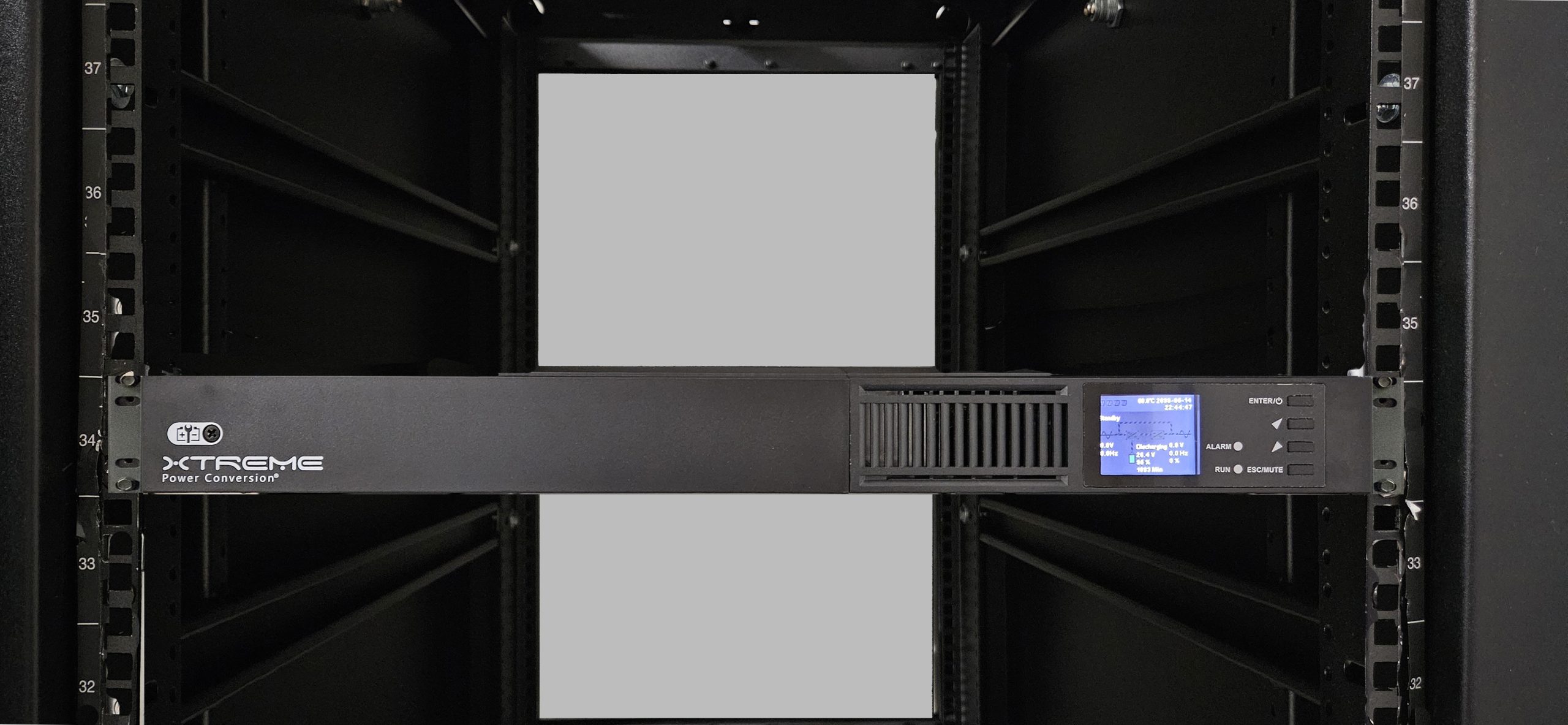
Why industrial facilities choose Xtreme Power lithium UPS
Industrial UPS failure modes are different from IT failure modes. In a data center, the primary concern is battery age and runtime. On a factory floor, the concerns are heat, dust, maintenance access, and integration with automation systems. Lead acid UPS systems address none of these well. LiFePO₄ addresses all of them.
Lead acid batteries are specified at 25°C and degrade rapidly above 30°C — halving service life for every 10°C increase. LiFePO₄ operates reliably to 50°C. Factory floors, electrical rooms, and control enclosures that regularly see 35–45°C are exactly where lithium earns its place.
Fans pull dust into UPS internals — accelerating contamination, requiring filter maintenance, and creating failure points in abrasive environments. The J60 and J60C are completely fanless with sealed construction. No moving parts. No dust ingress. No fan failure.
Battery replacement inside a running production environment is a downtime event. On a plant floor with 20 or 50 UPS units, a 3–5 year lead acid replacement cycle is a significant ongoing operational burden. LiFePO₄ eliminates that program — up to 15 years in ideal conditions, 3,000–5,000 cycles.
Industrial UPS systems need to integrate with PLCs, SCADA, and BMS platforms — not just provide runtime. The Li90 includes programmable dry contacts (1 input, 5 output) with configurable functions for alarm signaling, shutdown sequencing, and system status monitoring.
Industrial control cabinets have limited space. LiFePO₄ energy density enables form factors that lead acid cannot achieve — the J60 mounts on a DIN rail inside a control panel. A lead acid UPS equivalent doesn’t exist at that size.
Global manufacturing facilities operate imported machinery at different frequencies. The Li90 includes an integrated frequency converter — 60 Hz to 50 Hz and 50 Hz to 60 Hz — eliminating external frequency converters for imported equipment and multinational OEM platforms.
Industrial applications — equipment to model mapping
Power disturbances in industrial environments don’t just cause downtime — they can corrupt control data, lock up machinery, trigger safety systems, and require manual restart procedures. The right UPS depends on the load type, not just the VA rating.
| Application | Typical devices protected | Recommended models |
|---|---|---|
| PLC and control panels | PLCs, I/O modules, relays, panel PCs | J60 · J60C · J90 J60 → Compare → J60C → Compare → |
| HMI and operator interfaces | Panel PCs, touchscreens, operator terminals | J60 · J60C · J90 J60 → |
| Industrial edge computing | Industrial PCs, edge gateways, IoT hubs | J90 · J90i J90 → Compare → J90i → Compare → |
| Robotics and motion control | Robot controllers, motion control systems | J90 · Li90 J90 → Li90 → |
| SCADA and process control | SCADA servers, historians, process controllers | Li90 Li90 → |
| Industrial IoT and sensors | Remote monitoring devices, field sensors | J60 · J60C J60 → J60C → |
Industrial lithium UPS platforms — 350VA to 30kW
| Model | Capacity | Voltage | Form factor | Industrial features | Primary use |
|---|---|---|---|---|---|
| J60View → | 350VA · 600VA | 120V or 230V | Wall · DIN rail · flat | Fanless · sealed · compact | PLC panels · OEM machinery · IoT |
| J60CView → | 600VA | 120V or 230V | 1U short depth · rack or wall | Fanless · sealed · shallow cabinet | Shallow enclosures · cabinet panels |
| J90View → | 1–3kVA | 120V | 1U rack or wall | High-temp lithium · switchable outlets · remote reboot | Edge computing · robotics · IDF |
| J90iView → | 1–3kVA | 208V/230V | 1U rack or wall | Global voltage · high-temp lithium | International manufacturing |
| Li90View → | 10kW · 20kW · 30kW | 208/120V three-phase | Tower · slim cabinet | Smart de-dust fans · conformal coated PCBs · hot-swap batteries · frequency conversion · programmable dry contacts | SCADA · automation clusters · plant-wide |
Engineered for industrial environments
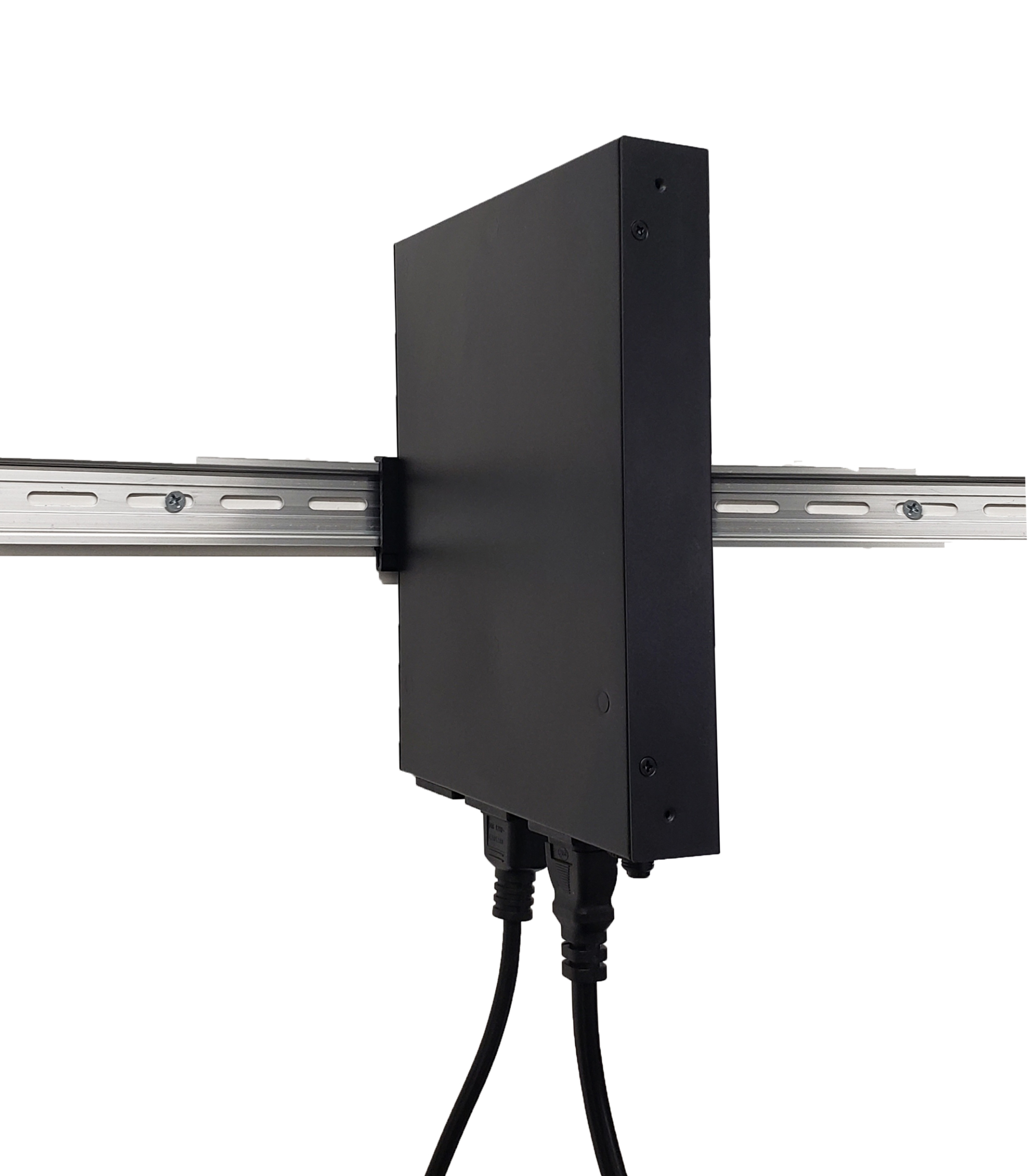
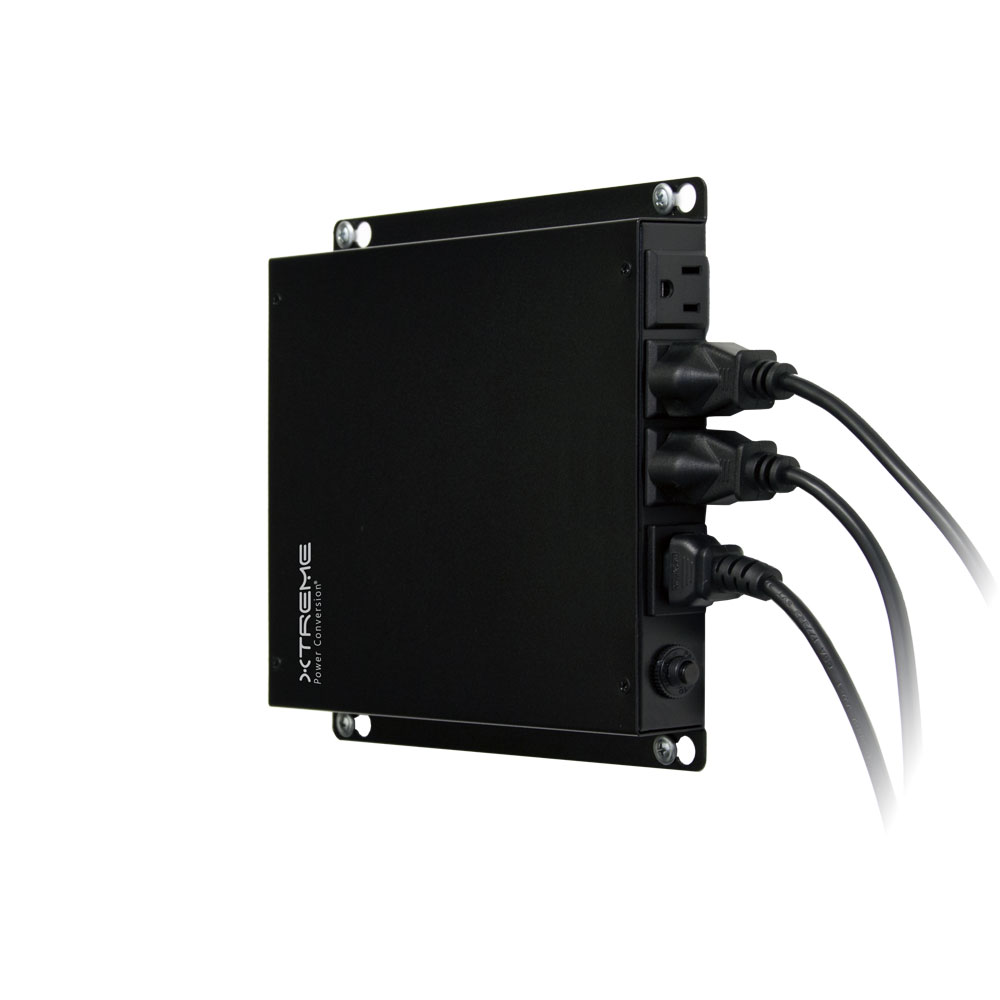
Fans pull dust, metal particles, and airborne contaminants into UPS internals — accelerating wear and creating failure points in factory environments. The J60 and J60C eliminate this entirely with fully sealed, ventless construction.
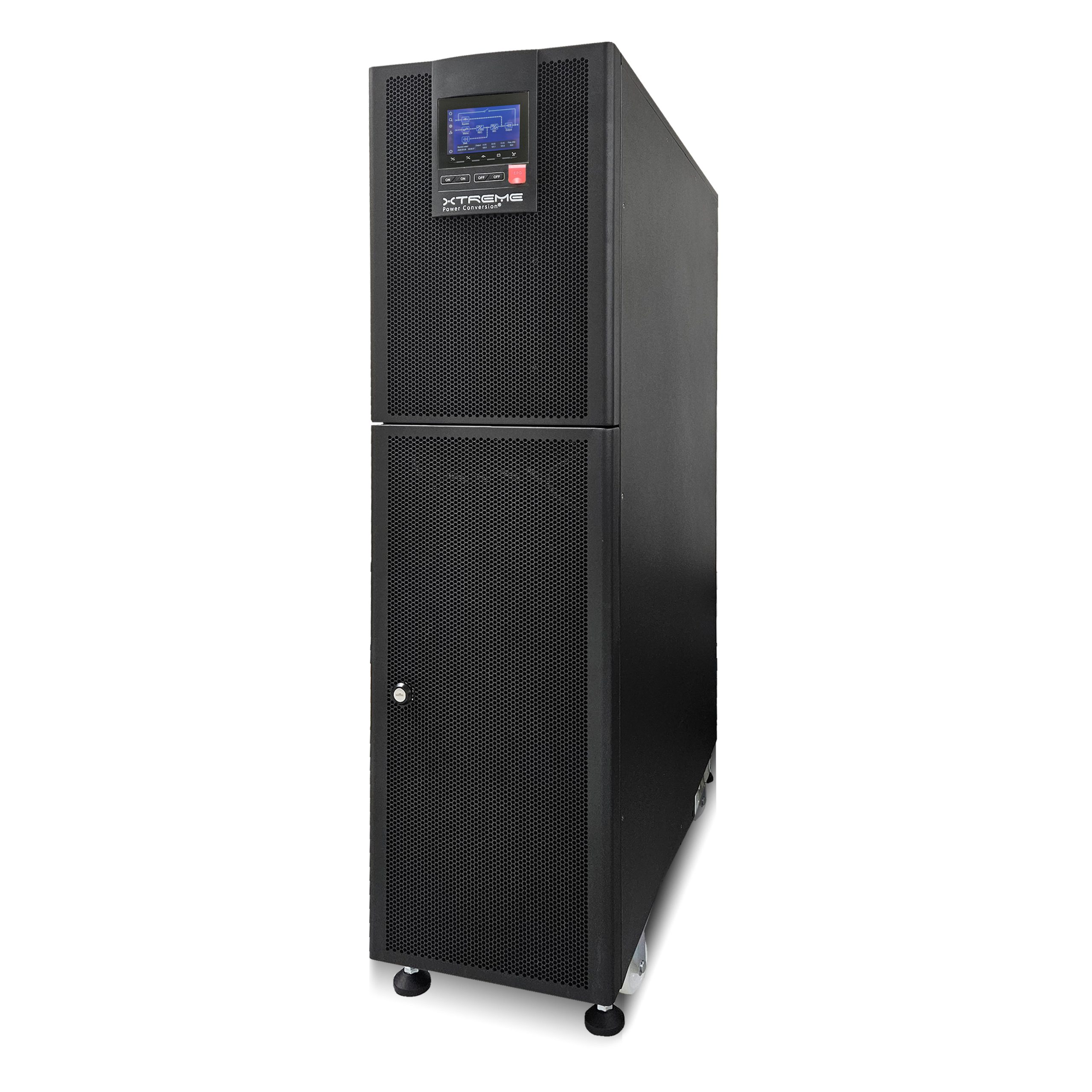
The Li90 three-phase lithium UPS includes industrial-specific capabilities not available on standard UPS platforms — designed for continuous-duty automation environments where the UPS is part of the operational infrastructure, not just a backup device.
Lithium vs lead acid in industrial environments
The performance gap between LiFePO₄ and VRLA lead acid is most pronounced in exactly the conditions that define industrial deployments — elevated temperature, limited maintenance access, dusty environments, and long deployment cycles.
| Factor | LiFePO₄ lithium UPS | VRLA lead-acid UPS |
|---|---|---|
| Battery service life | Up to 15 years — ideal conditions | 3–5 years typical |
| Temperature tolerance | Up to 50°C operating | Specified at 25°C — degrades above 30°C |
| Discharge cycles | 3,000–5,000 cycles | 200–500 cycles |
| Maintenance | None — no replacement cycles | Replacement every 3–5 years |
| Fanless options | Yes — J60, J60C fully sealed | No — active cooling required |
| Thermal stability | Thermally stable — no thermal runaway | Sulfation and swelling with heat and age |
| Total cost of ownership | Lower — no replacement cycles | Higher — recurring replacement cost |
Full comparison across lifecycle, cost, and deployment contexts: Lithium UPS vs lead-acid UPS →
Common questions about industrial lithium UPS
Yes. Both are fully fanless with sealed, ventless construction — no moving parts, no air intake paths, no dust ingress. They are specifically designed for control panels, OEM machinery enclosures, and factory-floor locations where conventional UPS fans would pull in dust and contaminants.
Yes. The J60 mounts on a DIN rail, flat surface, or wall inside a control cabinet. The J60C fits in shallow enclosures in a 1U form factor. The J90 mounts in standard racks or on a wall. See the DIN rail and panel mount guide for installation-specific guidance.
The Li90 includes programmable dry contacts — 1 input with more than six selectable functions and 5 output dry contacts with thirteen selectable functions. These enable direct integration with PLCs, building management systems, and SCADA platforms for alarm signaling, shutdown sequencing, and status monitoring.
Yes. The Li90 includes an integrated frequency converter supporting 60 Hz to 50 Hz and 50 Hz to 60 Hz conversion. This eliminates the need for external frequency converters when powering imported machinery or deploying OEM platforms in facilities operating at different grid frequencies.
Yes. All Xtreme Power lithium UPS platforms operate to 50°C (122°F). Capacity derating applies above 40°C on some models — confirm with product specifications for your specific operating temperature. The 5-year battery warranty covers standard use up to 40°C ambient; a 2-year warranty applies above 40°C continuous.
5 years covering standard use up to 40°C ambient. Above 40°C continuous operation, a 2-year battery warranty applies. The UPS system itself carries a 3-year warranty. LiFePO₄ batteries are rated for 3,000–5,000 discharge cycles and up to 15 years service life in ideal conditions.
Request an industrial UPS consultation
Fanless vs active cooling selection, PLC and SCADA load sizing, dry contact configuration, DIN rail integration, frequency conversion requirements, and OEM deployment planning.